COP28's legacystarts here

Biodiversity.ae tracks the UAE's emerging nature finance ecosystem — ADGM regulation, mangrove blue carbon markets, TNFD frameworks, Article 6.4 developments, and biodiversity credit standards across the Gulf region.

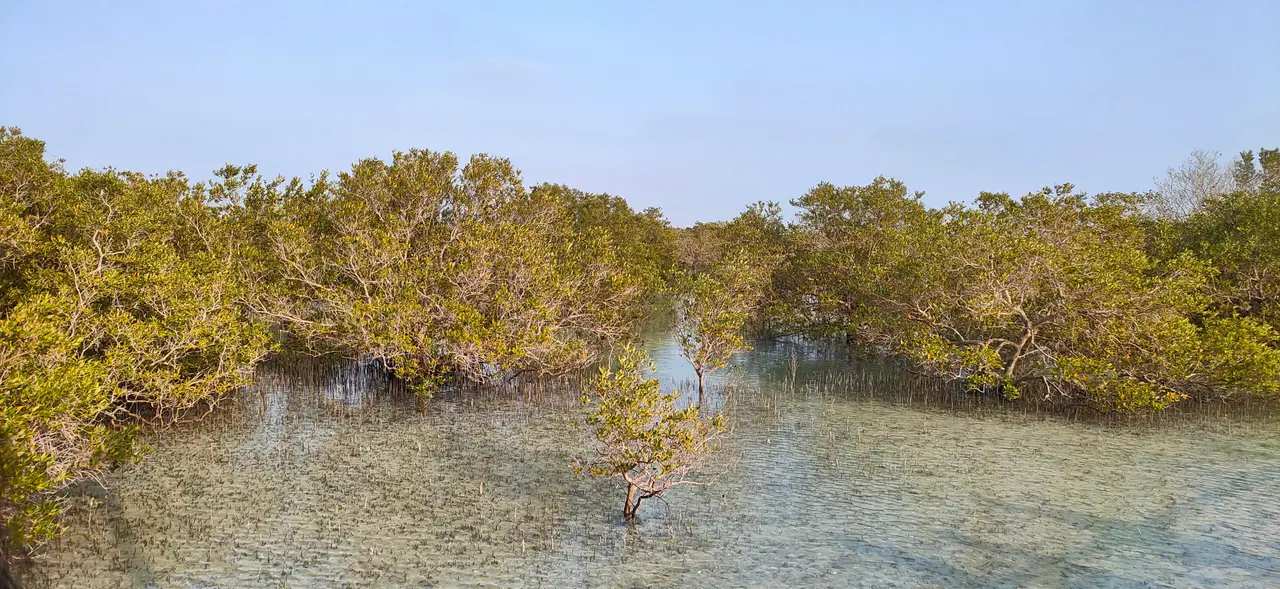
Grey mangroves standing in clear shallow water under a blue sky, Mangrove National Park, Abu Dhabi
Mangrove National Park, Abu Dhabi

Biodiversity Credits Explained

Measuring nature's recovery, financing its future

A biodiversity credit is a tradeable unit representing a measurable improvement in a natural ecosystem — habitat area restored, species populations recovered, or ecosystem condition improved. Unlike carbon credits (which measure CO₂ tonnes removed), biodiversity credits measure the health and extent of nature itself. Many UAE biodiversity projects — such as mangrove restoration programmes — can generate both types: carbon sequestration certified alongside measurable biodiversity outcomes.

  1. Measure Ecosystem Health

    Surveyors assess habitat extent, species diversity, and ecosystem condition using field data and remote sensing — establishing what is there and how it is changing.

  2. Set Targets & Baselines

    A reference baseline establishes how the ecosystem would have changed without the project. Credits represent measurable improvement beyond that baseline.

  3. Independent Verification

    Accredited third-party auditors verify ecological outcomes against frameworks such as Plan Vivo, the Biodiversity Credit Alliance, or national biodiversity standards.

  4. Issue & Trade Credits

    Verified biodiversity credits are issued on a registry and sold to corporate buyers meeting TNFD, SBTN (Science Based Targets for Nature), or voluntary nature commitments.

Why This Matters for the UAE

The UAE is committed to 'Nature Positive' and Net Zero by 2050. ADGM's green finance frameworks, Abu Dhabi's mangrove restoration targets, and mandatory ESG disclosure requirements are collectively building the infrastructure for a Gulf biodiversity credit market.

From Coastline to Certified Credit.

A blue carbon credit begins with a coastal ecosystem. It ends with internationally verified, tradeable certificates of climate impact. Here's every step in between.

  1. Coastal Habitat Assessment

    A site survey and satellite analysis determine mangrove extent, tidal wetland mapping, and VM0033 eligibility — assessing canopy cover, inundation regime, carbon stock density, and land tenure.

    4–8 weeks
  2. Baseline & Blue Carbon Measurement

    A scientific baseline establishes tidal wetland carbon stock, organic soil carbon sequestration rates, and methane accounting. This forms the Project Design Document (PDD) submitted to Verra under VM0033.

    3–6 months
  3. Independent Verification (VM0033)

    An accredited third-party auditor validates the project under Verra's tidal wetland and seagrass restoration methodology. This audit certifies both carbon additionality and biodiversity co-benefits.

    6–12 months
  4. Registry & Credit Issuance

    The verified project is listed on the Verra public registry. Verra Carbon Units (VCUs) are issued alongside biodiversity certificates and co-benefit reporting for each tonne of CO₂ sequestered.

    1–3 months
  5. Corporate Sale & TCFD Reporting

    Credits are sold to UAE and global corporations meeting net-zero and ESG commitments. Retirement is tracked on the public registry and full TCFD disclosure support is provided to purchasing organisations.

    Ongoing

Track the UAE's nature finance market as it develops.

Biodiversity.ae covers project pipelines, regulatory announcements, ADGM developments, and market pricing across the Gulf region's emerging nature finance ecosystem.

Read the Latest Insights

UAE: The Middle East's Climate Hub

Environmental leadership in the heart of the desert

The UAE is not just an oil nation — it's a global leader in renewable energy (Barakah, Masdar), afforestation (100M mangrove trees), and climate finance (COP28). This creates a unique environment for nature-based finance in the Gulf.

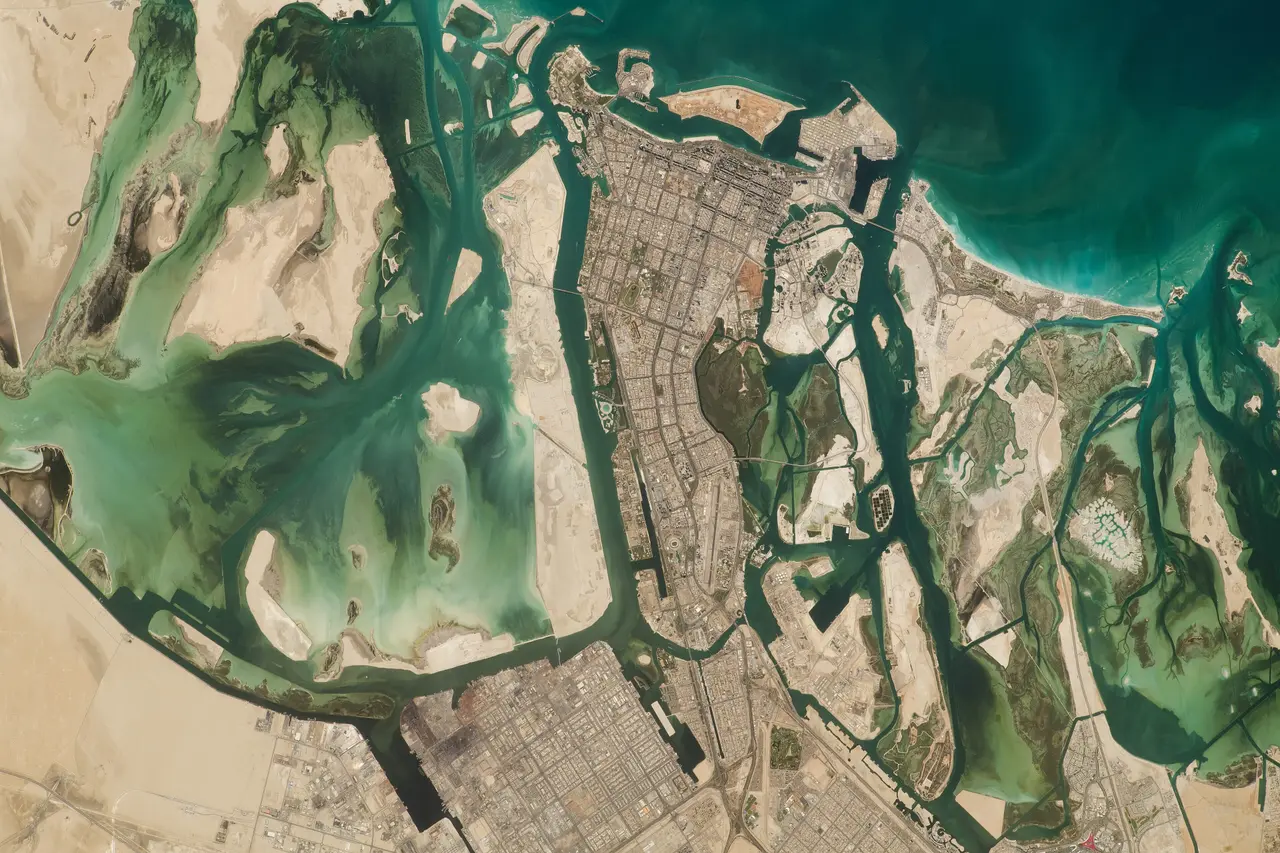
Astronaut photograph of Abu Dhabi island and the green channels of Mangrove National Park beside it
Abu Dhabi Mangrove National Park seen from the International Space Station, 17 June 2023. Photo: NASA (ISS069-E-22976)

COP28 Legacy

The UAE hosted COP28 in 2023, reinforcing national and regional climate commitments.

Abu Dhabi Mangroves

Abu Dhabi holds 63% of UAE's mangrove forests — priority ecosystems for blue carbon and biodiversity finance.

Billion Tree Initiative

The UAE leads a billion-tree planting initiative across the region for afforestation and carbon storage.

Climate Legal Framework

UAE's climate law and sustainability disclosure requirements support carbon and biodiversity market development.

Green Finance Hub

Dubai and ADGM compete as leading international green finance centres, including for nature-based solutions.

Corporate Demand

Major UAE corporations with active SBTi targets and TCFD obligations are seeking high-quality nature-based credits.

Why UAE Nature Finance Matters

The UAE committed to net-zero by 2050 and mandatory ESG reporting for listed companies. 40+ UAE corporations have active Science-Based Targets. Abu Dhabi's mangroves are among the highest-density blue carbon ecosystems on Earth — and the regulatory infrastructure for a UAE nature finance market is now being built.

40+
UAE corporations with SBTi targets
Science Based Targets initiative
$25–60
Per tonne — blue carbon / mangrove credits
Ecosystem Marketplace 2024
3×
More carbon per hectare vs tropical forest
IPCC Blue Carbon Report
2050
UAE net-zero commitment
UAE Ministry of Climate Change

Blue Carbon Premium

Mangrove and tidal wetland credits carry a significant premium over standard forest credits — driven by biodiversity co-benefits, coastal protection value, and scarcity of verified blue carbon supply.

Mandatory ESG Disclosure

UAE's Securities and Commodities Authority mandates climate-related disclosures for listed companies. ADGM and DIFC green finance frameworks incentivise voluntary carbon credit procurement as part of Scope 3 strategies.

Article 6 Bilateral Potential

The UAE's Article 6 readiness — demonstrated at COP28 and confirmed in its July 2026 UNFCCC Host Party document — means high-integrity domestic projects can generate Internationally Transferred Mitigation Outcomes (ITMOs) for both national NDC delivery and international trading.

Standards Governing UAE Nature Finance

An overview of the key international frameworks and standards relevant to UAE biodiversity and blue carbon markets.

VCSVerra Verified Carbon StandardUAE coastal wetlands — including Abu Dhabi's mangroves — are eligible under Verra's VM0033 tidal wetland and seagrass methodology, one of the most rigorous international approaches to blue carbon accounting.VM0033 methodology
GSGold StandardGold Standard certification applies to urban greening and coastal restoration projects, verifying SDG co-benefits including clean water, biodiversity, and community health outcomes alongside carbon sequestration.SDG co-benefits
BCBlue Carbon InitiativeAbu Dhabi's mangrove ecosystems have been assessed through the international Blue Carbon Initiative framework, which formally recognises coastal wetlands — including mangroves, seagrasses, and tidal marshes — as priority carbon sinks.Priority ecosystem
COP28COP28 UAE FrameworkThe UAE's hosting of COP28 in 2023 produced the 'UAE Consensus', aligning national carbon market development with the global climate transition framework.2023 host nation
TCFDTask Force on Climate DisclosuresUAE's Securities and Commodities Authority mandates TCFD-aligned climate disclosures for listed companies, driving corporate demand for high-quality carbon and biodiversity credits.Mandatory disclosure
SBTiScience Based Targets Initiative40+ UAE-headquartered corporations have adopted SBTi targets, creating structured corporate demand for verified carbon credits to bridge emissions gaps under net-zero strategies.40+ UAE corporates

UAE Nature Finance Ecosystems

Key UAE ecosystems at the heart of the country's emerging biodiversity and blue carbon markets.

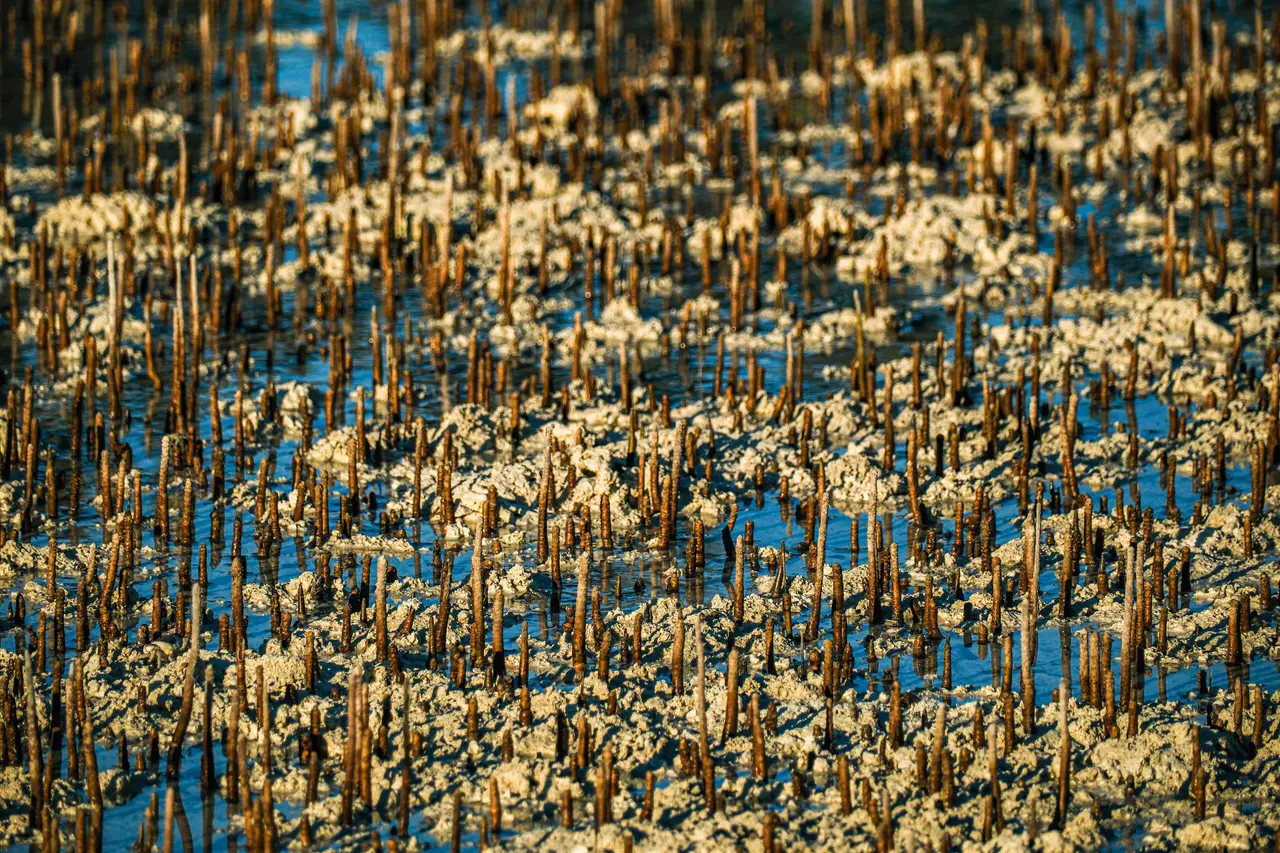
Thousands of mangrove breathing roots rising from shallow water at low tide, Abu Dhabi
Mangrove roots at low tide, Abu Dhabi

Abu Dhabi Mangrove Forests

Abu Dhabi's 160+ km² of mangroves are among the Gulf's most carbon-dense coastal ecosystems, sequestering 0.6–1.7 tonnes of carbon per hectare annually. They provide critical habitat for hawksbill turtles, Socotra cormorants, and seagrass meadows — a priority ecosystem for both carbon and biodiversity credit development in the UAE.

Blue Carbon

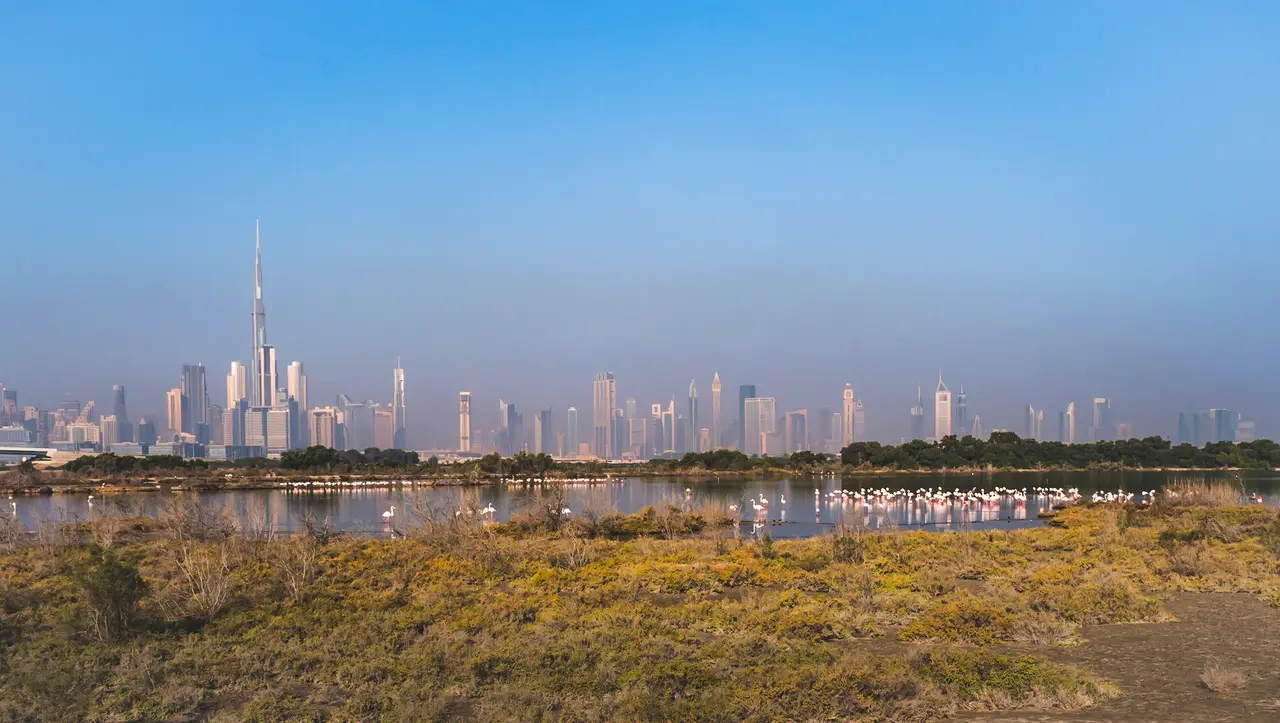
Flamingos in the lagoon of Ras Al Khor Wildlife Sanctuary with the Dubai skyline behind
Ras Al Khor Wildlife Sanctuary, Dubai

Dubai Creek Wetlands

Dubai's coastal wetland and tidal creek systems represent emerging blue carbon and biodiversity credit potential. These inter-tidal zones support migratory bird populations and juvenile fish species, and are under active assessment by the Environment Agency and international partners.

Wetland Ecosystem

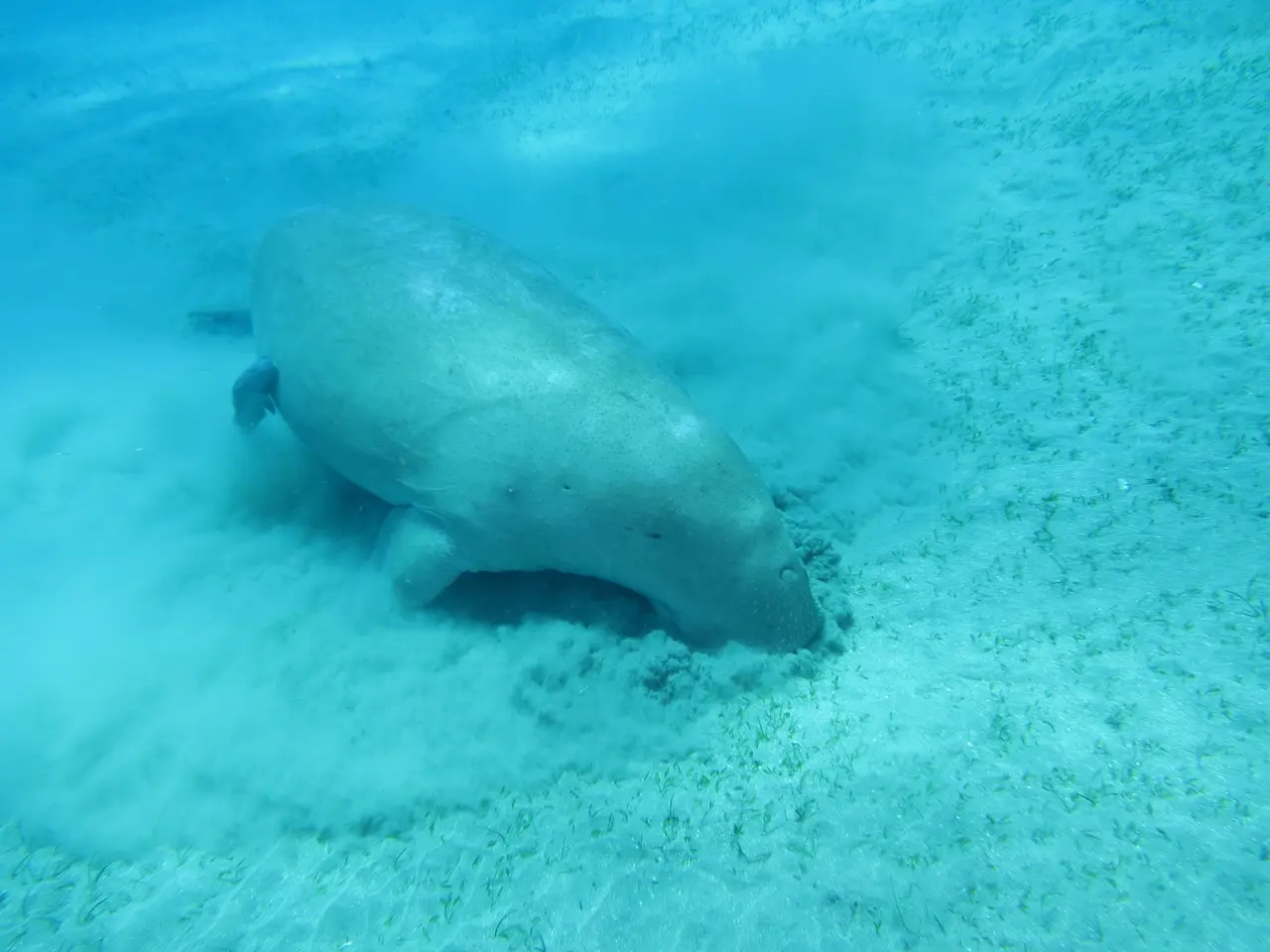
A dugong feeding on a seagrass bed in clear turquoise water
A dugong feeding on seagrass in the Red Sea

UAE Seagrass Meadows

The UAE's coastal waters host extensive seagrass meadows — among the most productive blue carbon ecosystems globally. Seagrass stores carbon in marine sediments and supports dugong populations, making it a high-priority ecosystem for biodiversity and blue carbon credit development under international methodology frameworks.

Marine Ecosystem

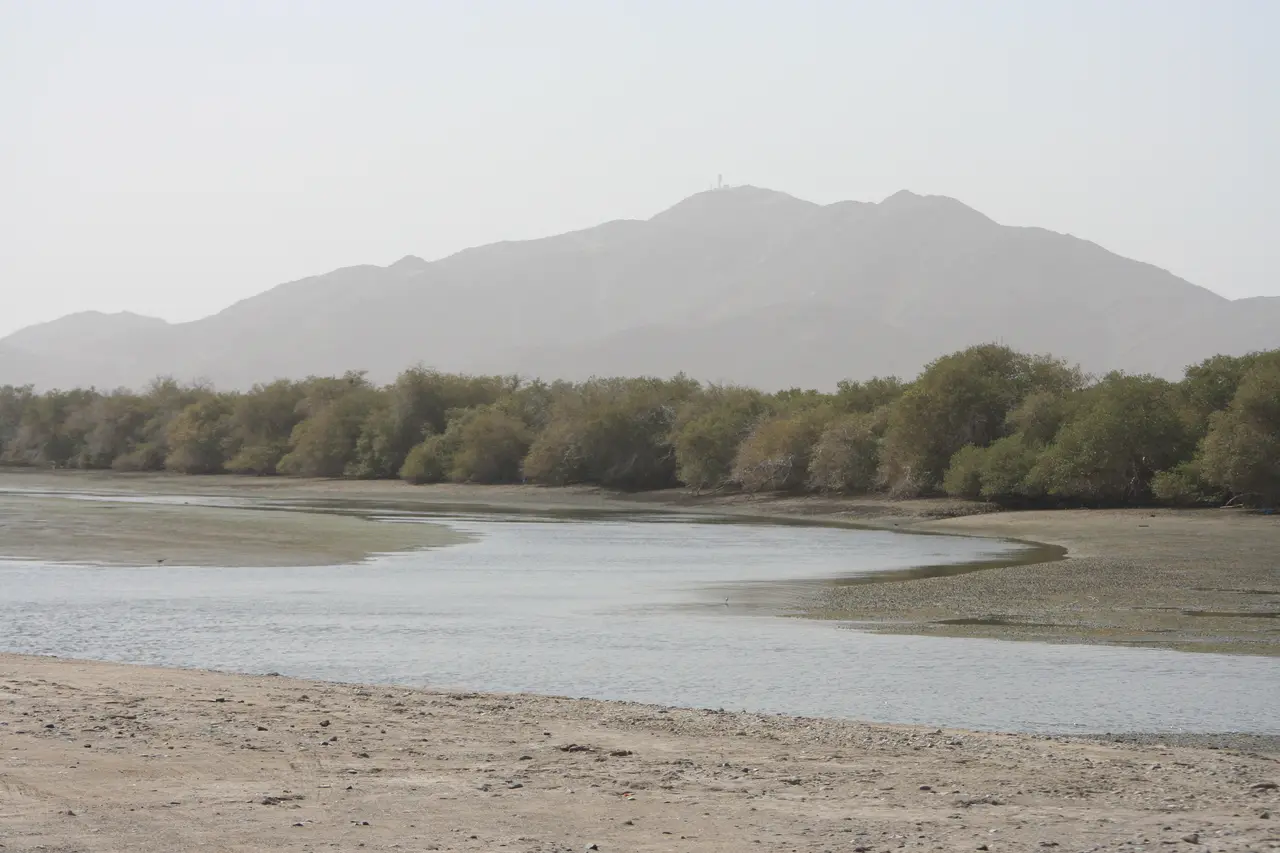
A line of mangroves along a tidal flat at Khor Kalba, with the Hajar Mountains behind
Mangroves at Khor Kalba, Sharjah, below the Hajar Mountains

Arabian Peninsula Mangrove Landscape

Mangrove ecosystems across the Arabian Peninsula — including Oman's Qurm Nature Reserve and Al Dimaniyat Islands — form a regional nature finance landscape. As Article 6.4 infrastructure matures, these ecosystems represent potential cross-border biodiversity and blue carbon project pipelines.

Regional Landscape

UAE Nature Finance Intelligence

Insights on UAE biodiversity policy, mangrove carbon markets, ADGM regulation, TNFD frameworks, and Article 6.4 developments across the Gulf.

No spam. Unsubscribe anytime.

UAE Biodiversity & Nature Finance

Get in Touch

Biodiversity.ae covers UAE nature finance policy, mangrove ecosystems, ADGM regulation, and Article 6.4 developments. Get in touch if you're working on projects, research, or investment in this space.

  • Government Entities

    Coverage of UAE biodiversity policy, carbon regulation, and NDC climate target frameworks.

  • International Investors

    Tracking biodiversity credit and blue carbon market developments across the UAE and Gulf.

  • Corporations

    Insights on mandatory ESG disclosure and Science-Based Targets for Nature in the UAE.

  • Project Developers

    Coverage of international standards, verification frameworks, and regulatory developments.

Your message is stored in our HubSpot account so we can reply.