Blog
Biodiversity and carbon market insights for the UAE.
Pollinators in the UAE: Why the Small Insects That Visit Desert Flowers Matter, and Why the Data Is Thin
Bees, butterflies, moths and hoverflies carry pollen through the UAE's gardens and oases, yet few have been counted systematically. This guide explains why they matter, what puts them under pressure, and how to describe their protection credibly.
Read moreSpiny-Tailed Lizards in the UAE: What a National Red List Assessment Says
The UAE's national Red List rates a desert spiny-tailed lizard as Vulnerable, with development and roads named as threats. Here is what that assessment covers, and what it does not.
Read moreThe Striped Hyena: A UAE Mammal That Has Disappeared From the Country
The striped hyena once lived in the Hajar Mountains and desert edges of the UAE. The 2018 UAE National Red List classes it as regionally extinct. Here is what is known, and what it means for survey work.
Read moreSharks and Rays in UAE Waters: What a Credible Marine Biodiversity Claim Would Need to Show
Sharks and rays are hard to count and easy to overlook, yet they show how far a marine biodiversity claim can be trusted. Here is what a credible shark or ray outcome would need to record.
Read moreBats of the UAE: The Wildlife a Credible Survey Has to Listen For
Bats are easy to overlook in desert and mountain landscapes, yet they say a great deal about insects, roosts and water. Here is what a credible bat survey should record.
Read moreThe Arabian Wolf: The Desert Predator Biodiversity Surveys Often Miss
Shy, mostly nocturnal and rarely seen, the Arabian wolf is a useful sign of whether desert and mountain ecosystems are working. Here is what it needs and what a credible survey should show.
Read moreMigratory Birds on the UAE Coast: Why the Gulf Is a Flyway Stopover
Every autumn and spring, birds moving between Eurasia and Africa cross the Arabian Peninsula. Here is why the UAE coast matters as a refuelling stop and what that means for biodiversity claims.
Read moreDesalination Brine and the Gulf: The Marine Pressure Biodiversity Claims Often Leave Out
The UAE relies heavily on desalinated water, and every plant returns a stream of concentrated brine to the sea. Here is what brine does to marine life, why the shallow Gulf is sensitive to it, and what a credible claim should address.
Read moreSabkha: The UAE's Salt Flats and the Life That Depends on Them
Sabkha, the flat salt-crusted ground behind the UAE coast, looks empty from the road. It holds salt-tolerant plants, microbial mats and feeding habitat for birds. Here is what it is and why it is hard to value.
Read moreThe Indo-Pacific Humpback Dolphin: A Shallow-Water Species Under Pressure on the UAE Coast
The Indo-Pacific humpback dolphin lives in shallow Gulf waters close to shore, where construction, fishing and boat traffic are concentrated. Here is what it needs and how to read claims about it.
Read moreAl Ain's Oases: Date Palms, Falaj Channels and the Desert Biodiversity Beneath Them
Al Ain's oases are among the oldest green landscapes in the UAE. Here is how date palms, traditional falaj irrigation and understorey planting support wildlife, and what that means for nature credits.
Read moreThe Arabian Leopard and the Hajar Mountains: Why a Rarely Seen Predator Matters
The Arabian leopard is critically endangered and almost never seen in the UAE today. Here is what it needs, why its absence tells us something, and how to read claims about its recovery.
Read moreProsopis juliflora in the UAE: An Introduced Tree That Competes With Native Desert Plants
Prosopis juliflora was planted across the UAE for shade and fuel, but it spreads quickly and competes with native desert plants such as the ghaf. Here is what to know.
Read more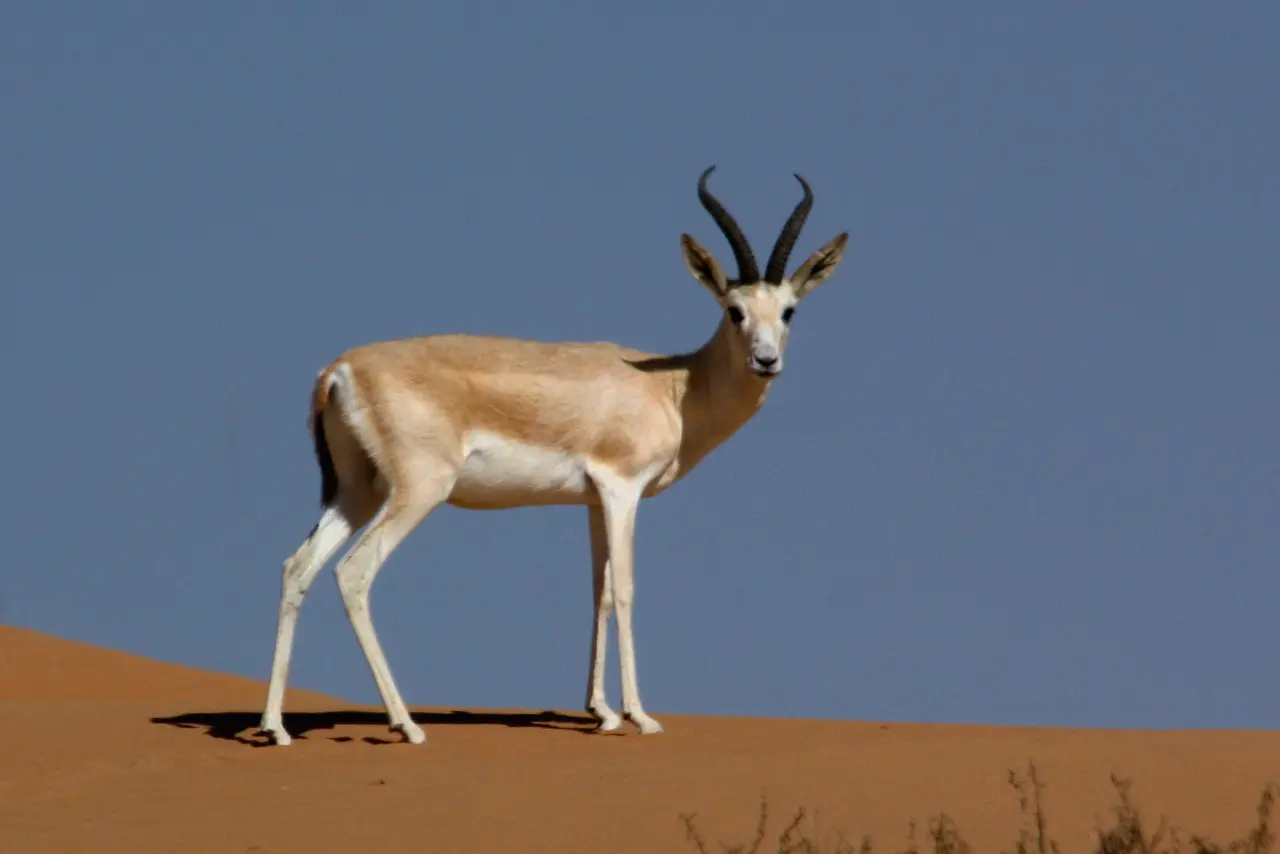
The Arabian Sand Gazelle: A Dune Species Where Captive Numbers Can Mislead
The Arabian sand gazelle is a Vulnerable desert species that lives on UAE dunes and coastal plains. Here is why its numbers need careful reading in any conservation claim.
Read more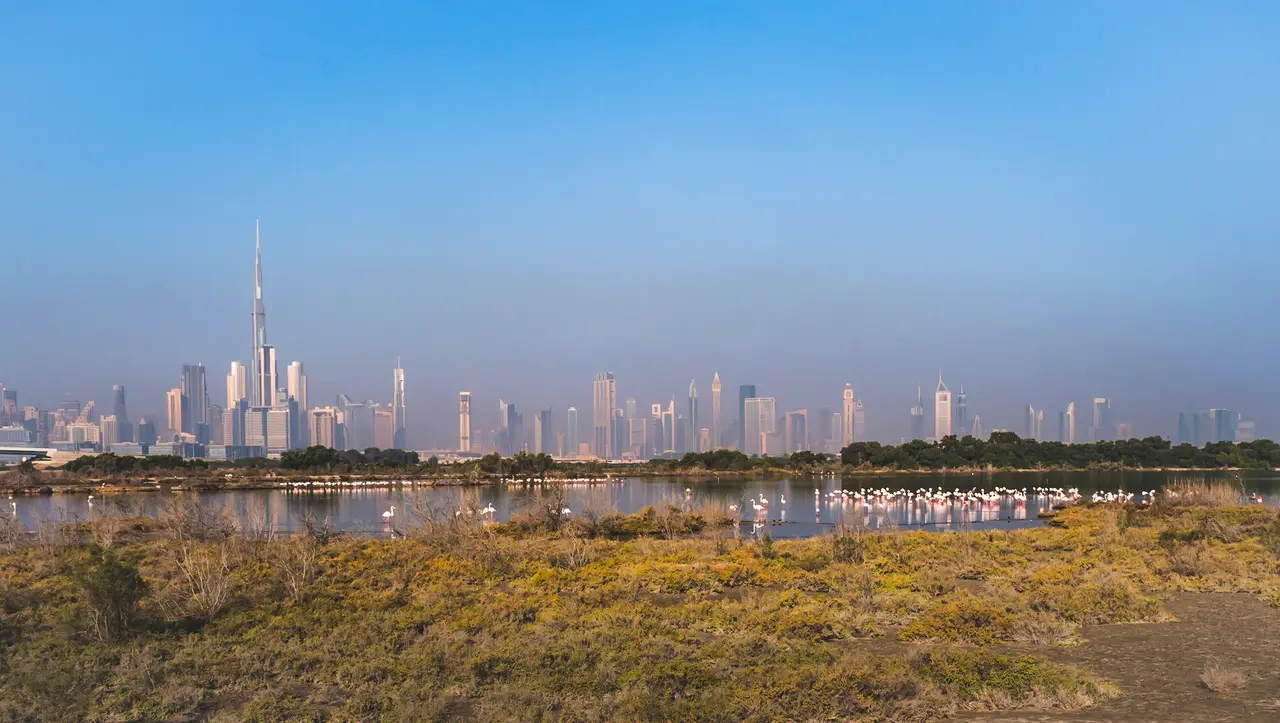
How to Read a Biodiversity Credit Claim: A Buyer's Checklist for the UAE
A plain-language checklist for buyers weighing a biodiversity credit in the UAE: outcomes versus outputs, baselines, additionality, monitoring, verification and double counting.
Read more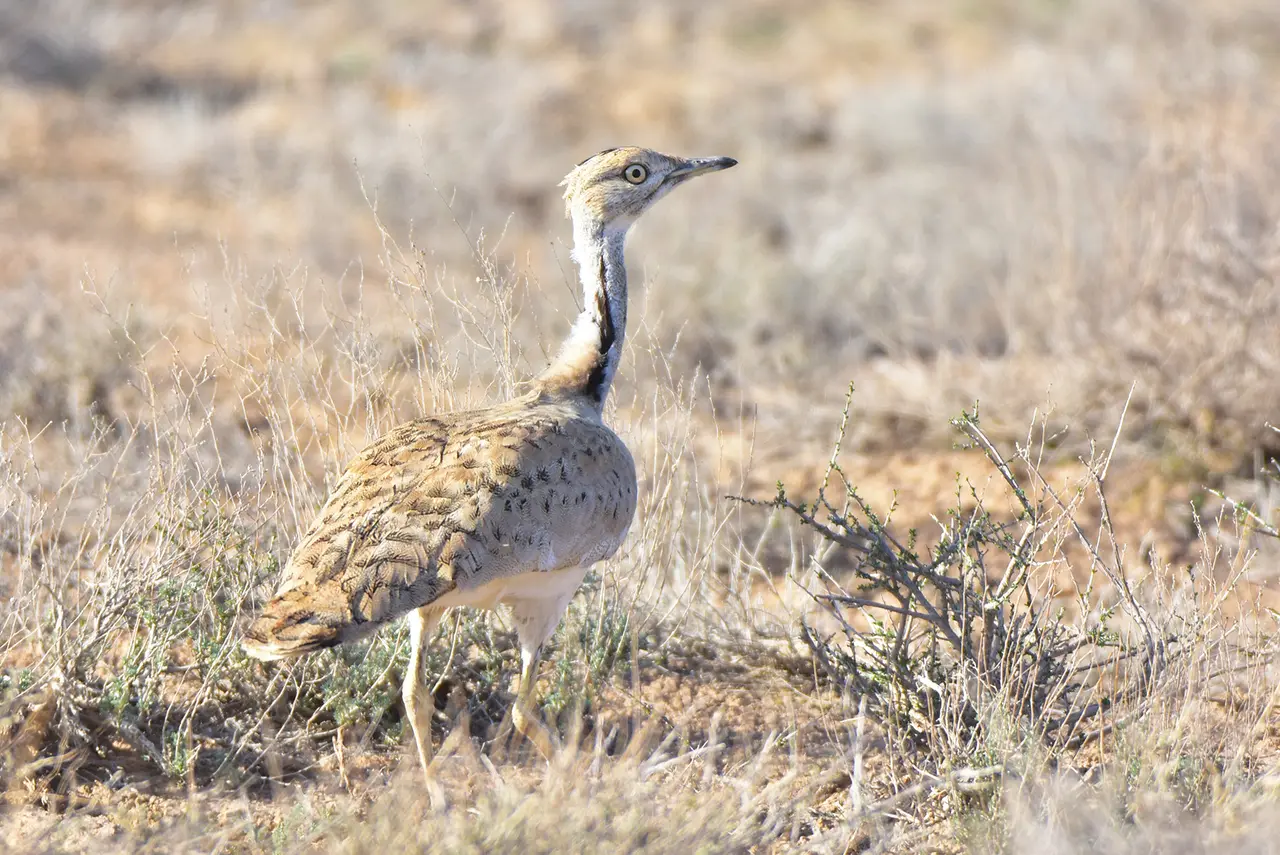
The Houbara Bustard: A Migratory Desert Bird and What Its Survival Asks of Conservation
The houbara bustard is a camouflaged, long-distance migrant that crosses the UAE desert on its way between breeding and wintering grounds. Here is what it needs, what threatens it and what buyers should ask before a species project is treated as a biodiversity credit.
Read more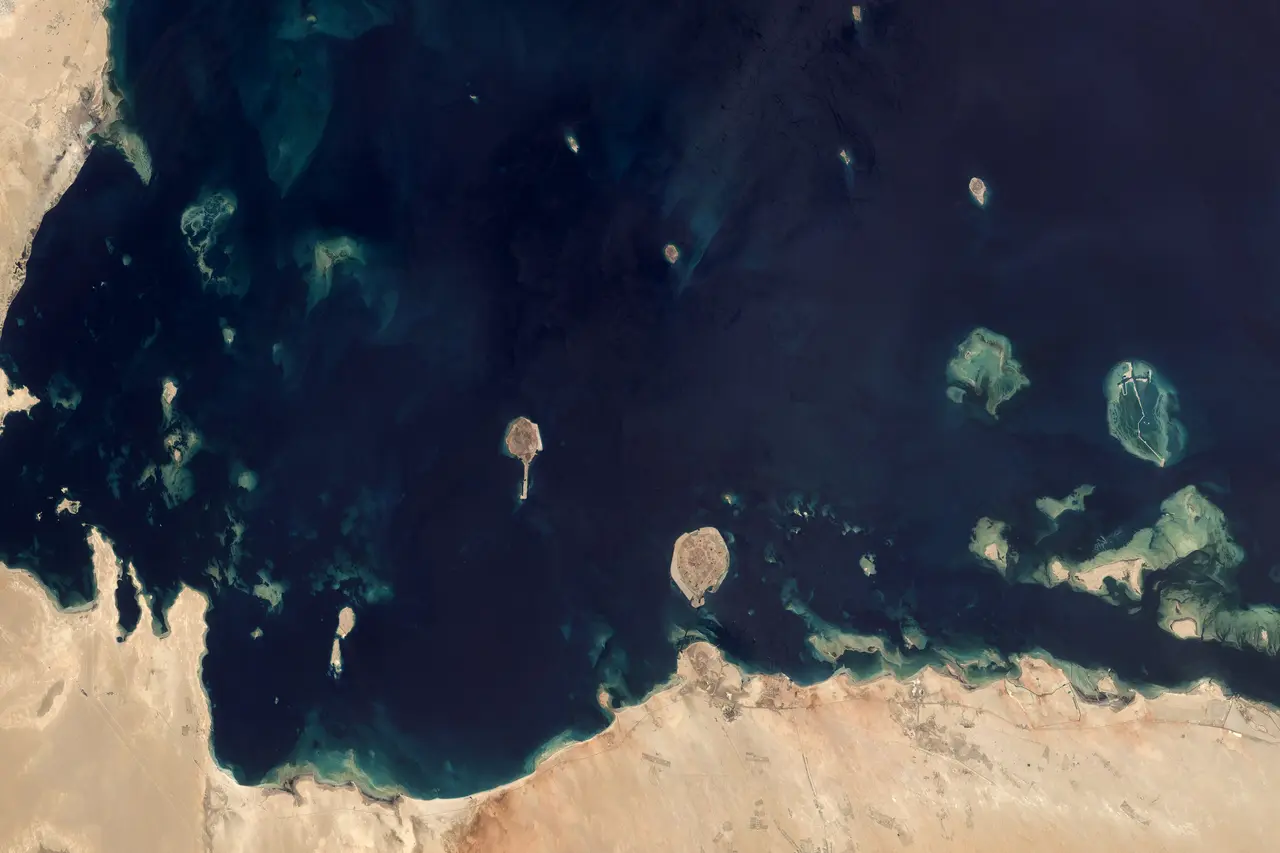
UAE Coral Reefs: Two Seas, Heat-Tolerant Corals and What Reef Restoration Means for Biodiversity Credits
The UAE has coral reefs on both the Arabian Gulf and the Gulf of Oman coasts. Here is what they support, what threatens them and why reef restoration is hard to turn into a credible biodiversity credit.
Read more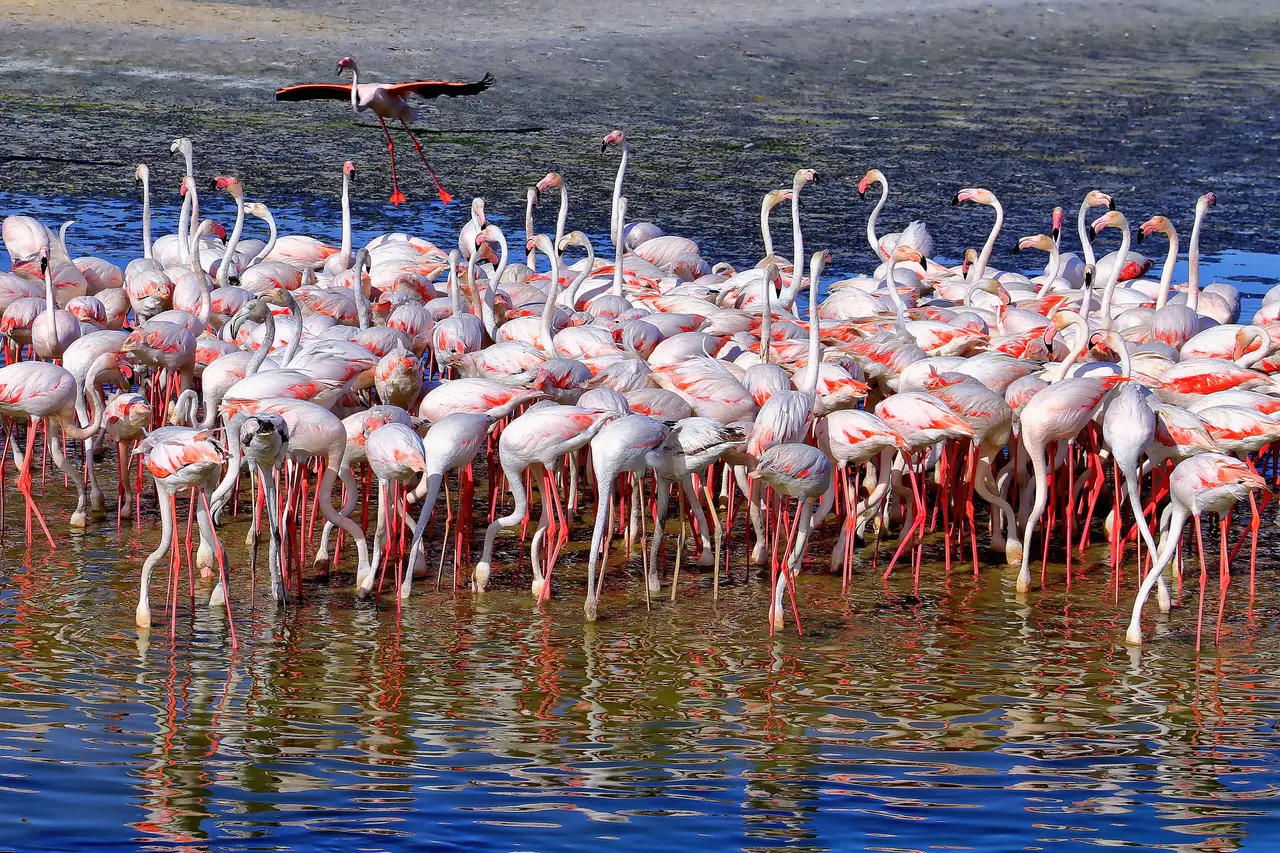
Ras Al Khor Wildlife Sanctuary: Flamingos, Mudflats and a Wetland in the Middle of Dubai
Ras Al Khor is a protected wetland beside Dubai's skyline where flamingos and other migratory birds feed on tidal mudflats. Here is why it matters, what threatens it and what wetlands mean for biodiversity credits.
Read more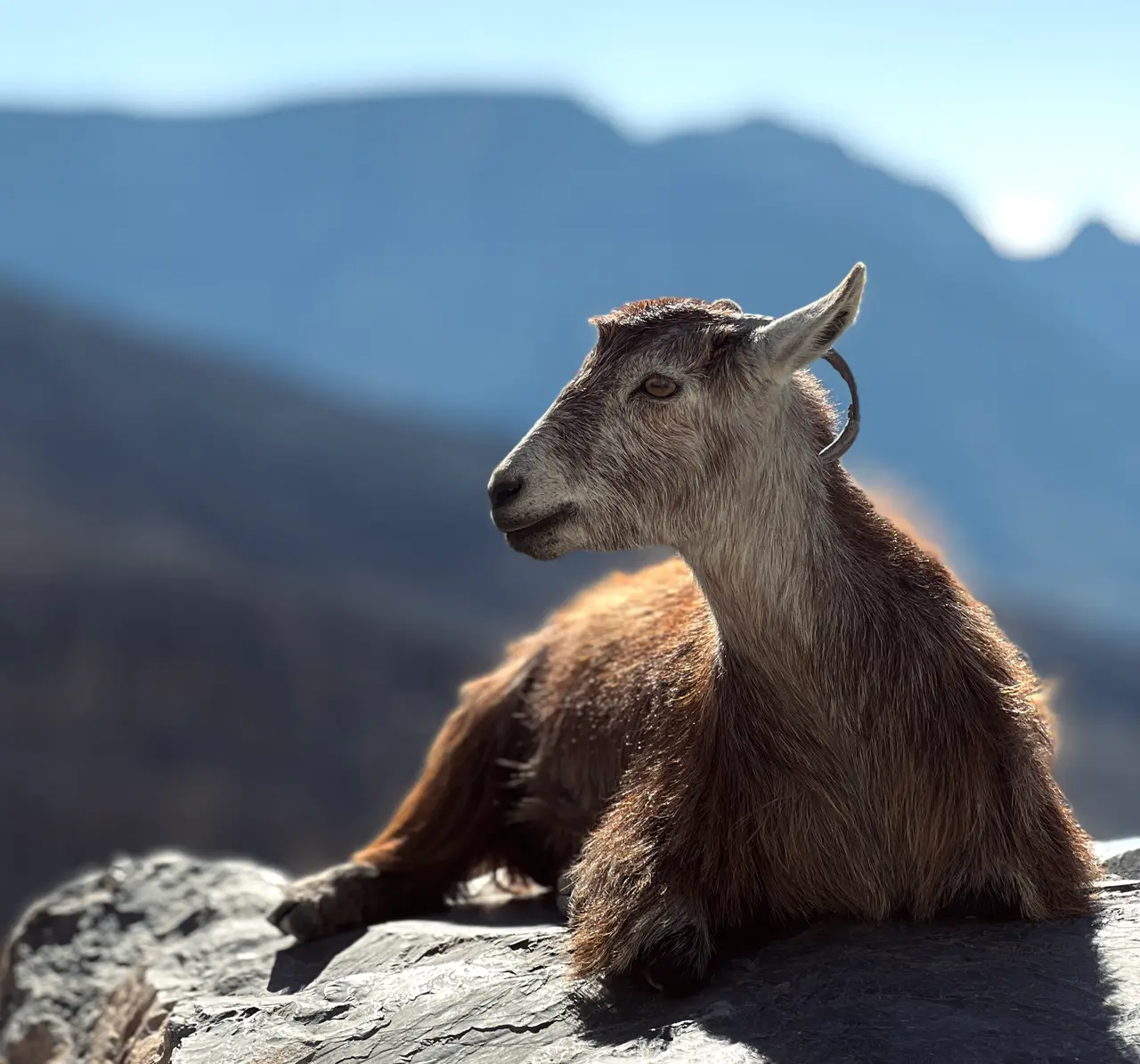
Arabian Tahr and the Hajar Mountains: The UAE's Rugged Biodiversity Frontier
The Hajar Mountains that run through the northern Emirates are home to the Arabian tahr, a wild goat found only in the Hajar ranges of Oman and the UAE. Here is what it needs and what mountain habitat means for biodiversity credits.
Read more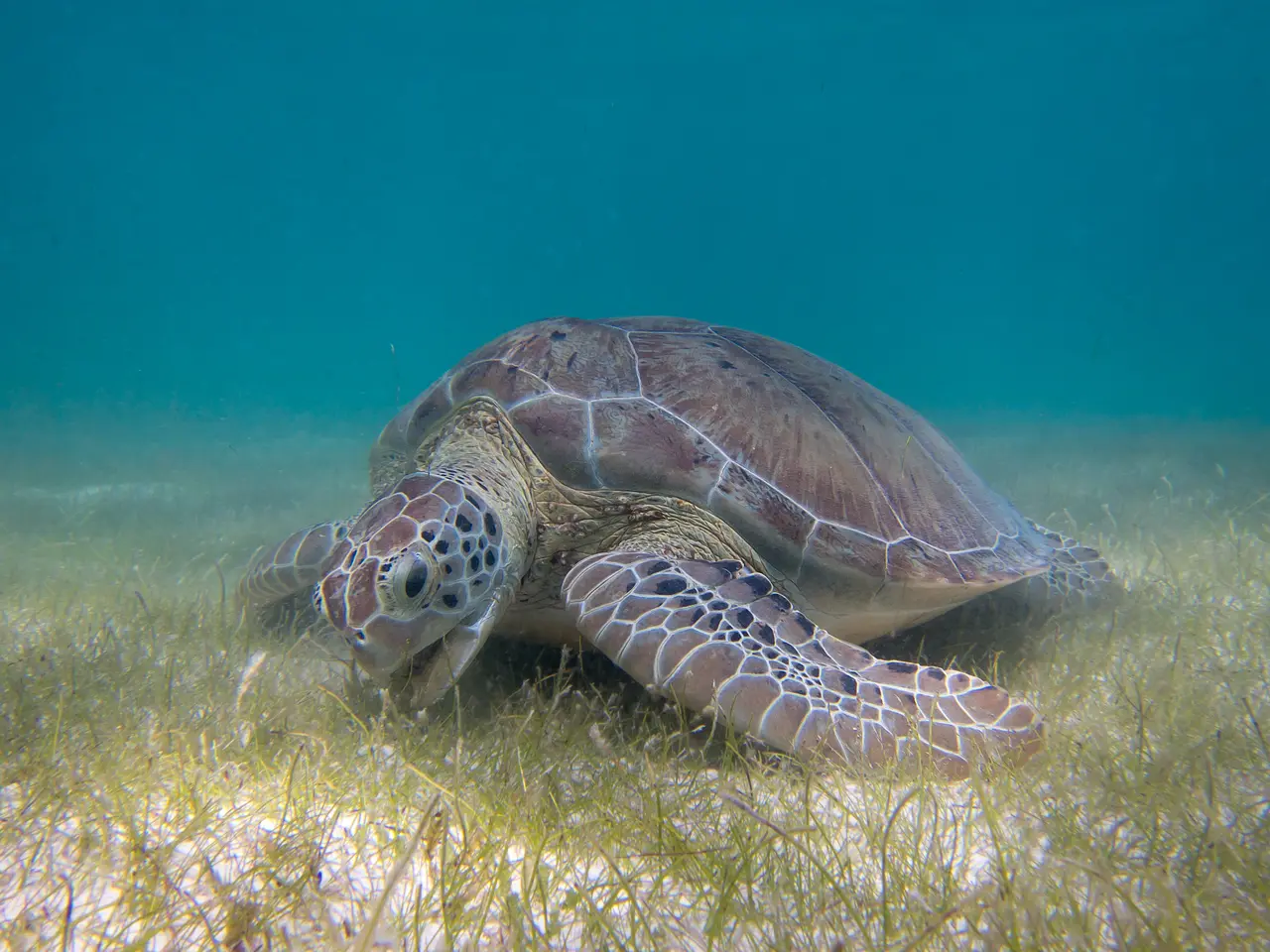
Sea Turtles and Seagrass: The UAE's Coastal Wildlife and Why It Matters for Biodiversity Credits
The UAE coast is home to nesting hawksbill turtles, feeding green turtles and dugongs that depend on seagrass. Here is what these species need and why they matter for biodiversity credits.
Read more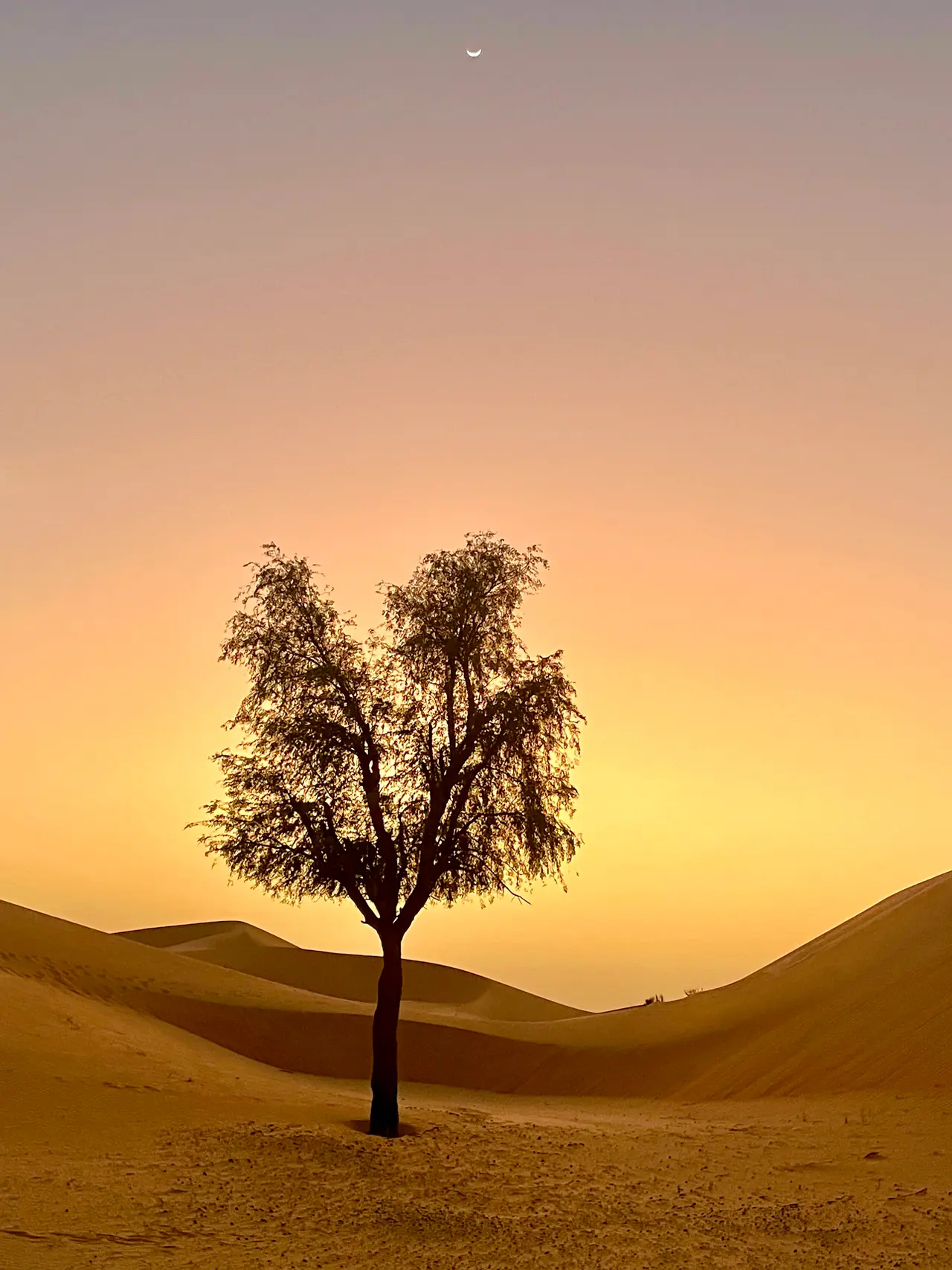
The Ghaf Tree: The UAE's National Tree and a Keystone of the Desert
The ghaf (Prosopis cineraria) survives heat, drought and salt where little else grows. Here is why this tree anchors desert life in the UAE and why protecting it matters.
Read more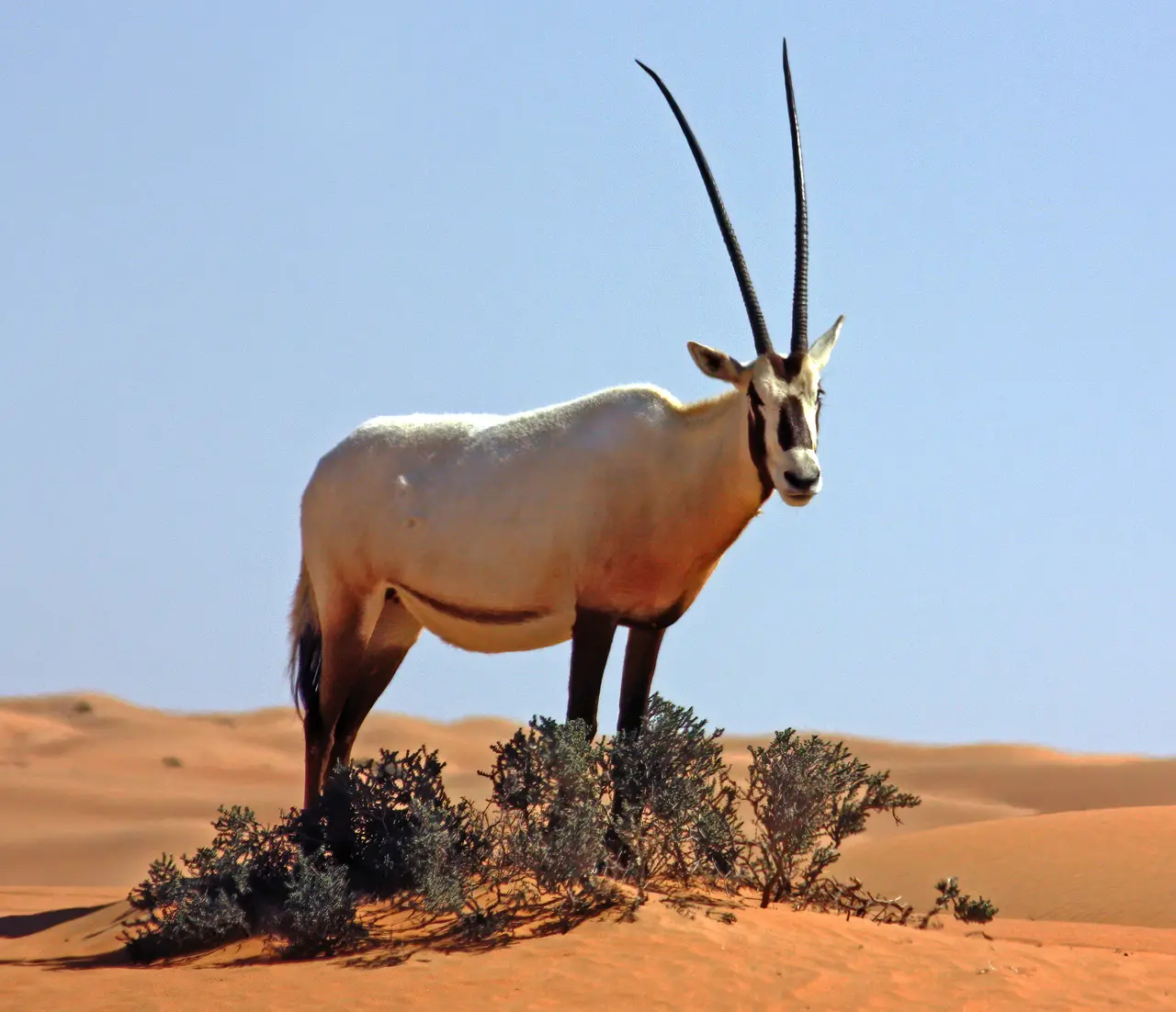
The Arabian Oryx: From Extinction in the Wild to a UAE Desert Success Story
Hunted out of the wild in the 1970s, the Arabian oryx has returned to the Arabian Peninsula through breeding and reintroduction. Here is how this desert antelope survives and why its recovery matters for UAE ecosystems.
Read more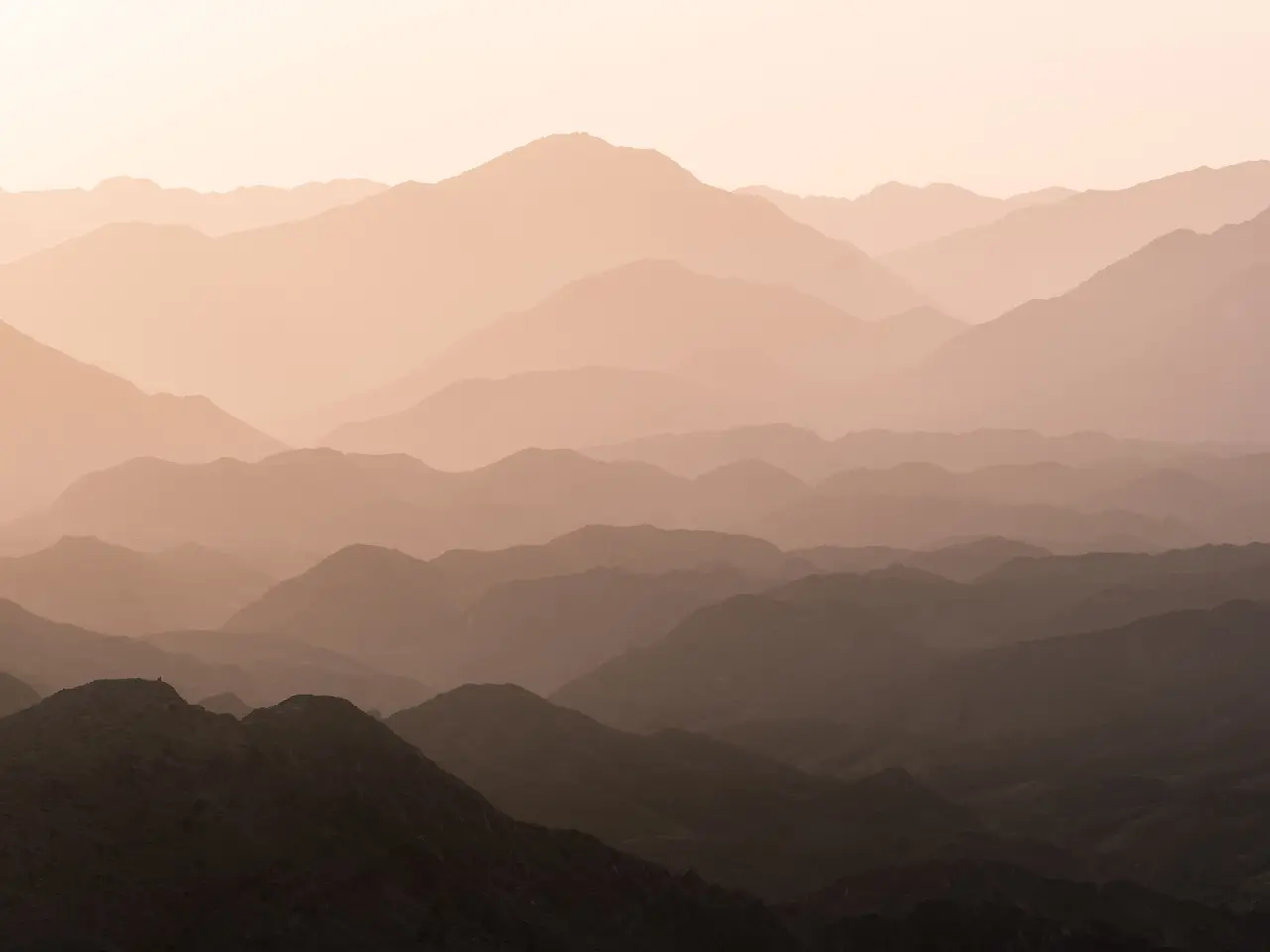
UAE National Biodiversity Strategy 2050: What It Means for Carbon and Biodiversity Credit Markets
The UAE's National Biodiversity Strategy 2050 commits the country to protecting 30% of its land and marine areas by 2030 and restoring degraded ecosystems across the Arabian Peninsula. Here's what the strategy means for biodiversity credit investment.
Read more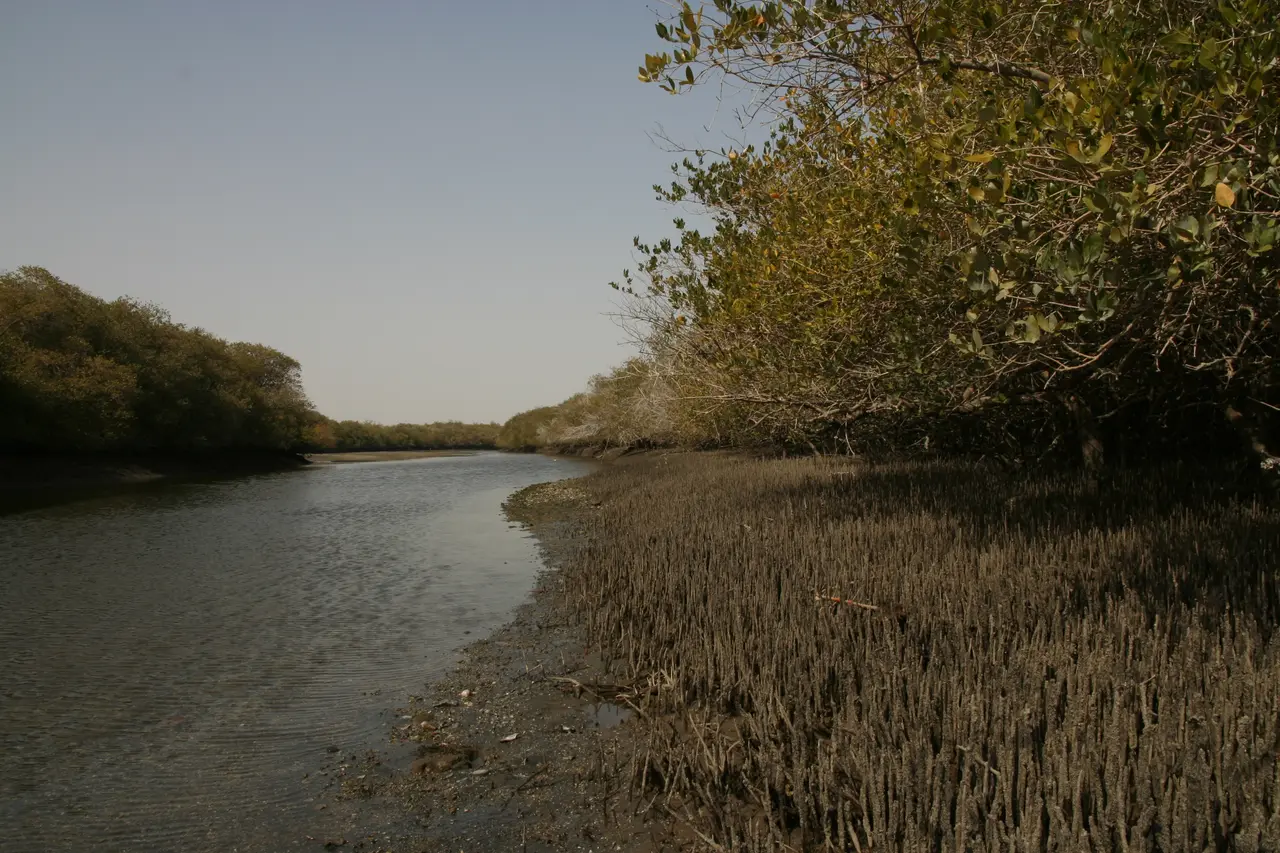
Biodiversity Credits and Carbon Credits: How the UAE Is Bridging the Gap
Two nature finance markets that once operated in parallel are converging. The UAE — with ADGM as the regulatory anchor and COP28 as the catalyst — is positioning itself at the intersection.
Read moreThe UAE and Kazakhstan: Unlikely Partners in Building Regional Carbon Markets
Two countries with outsized fossil fuel histories are racing to lead their regions' clean finance transitions. The UAE's Gulf position and Kazakhstan's Central Asian reach make them natural counterparts.
Read more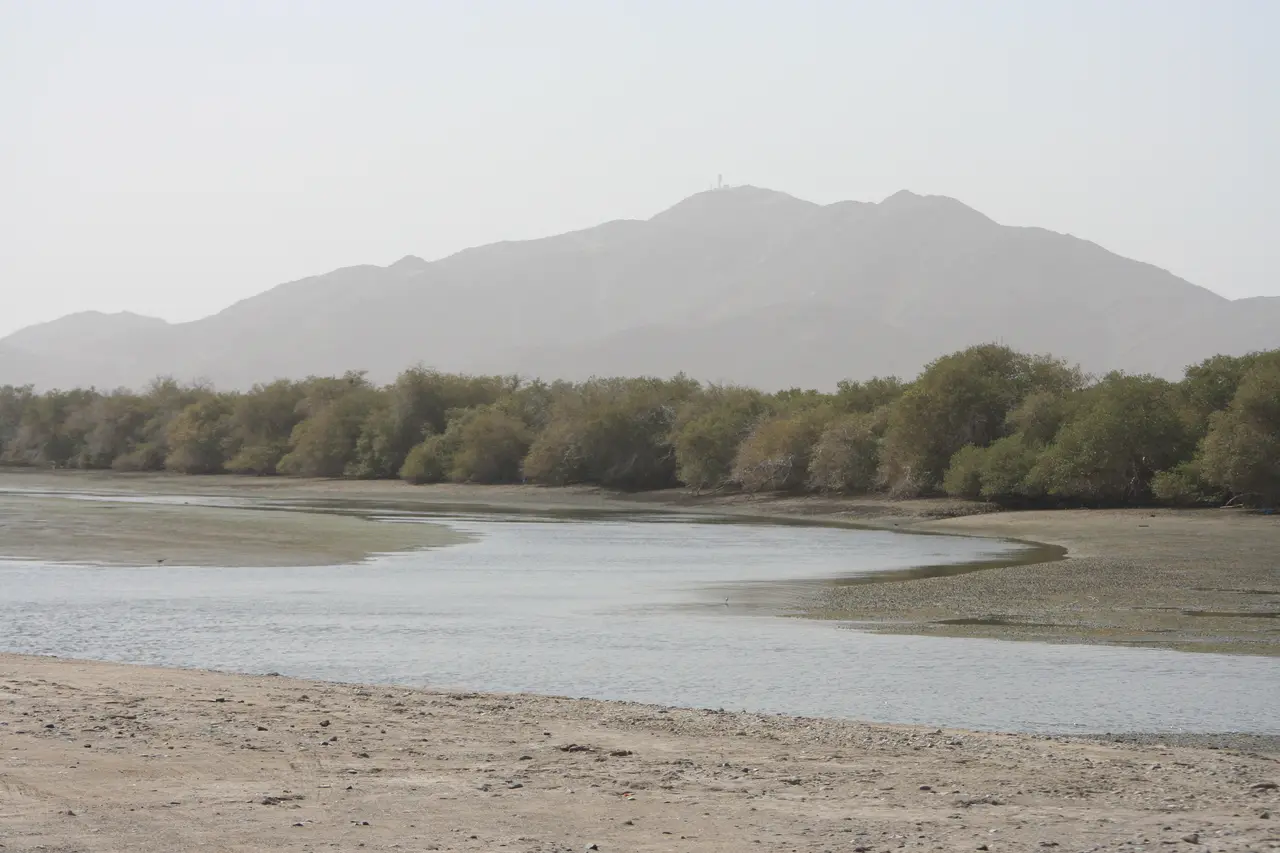
UAE Confirms Article 6.4 Eligible Sectors: Mangroves, Solar, Blue Carbon All on the Table
The UAE published its Host Party Participation Requirements for Article 6.4 with the UNFCCC in July 2026, formally listing eligible project sectors — positioning itself as both a buyer and seller of international carbon credits.
Read moreEU Aviation Tax Proposal: What €85 Per Ticket to the Middle East Means for Carbon
The European Commission proposed extending EU ETS carbon costs to all flights within 5,000km of Frankfurt — covering routes to the Middle East. Airlines are opposing it. And the implications for Gulf carbon demand are real.
Read more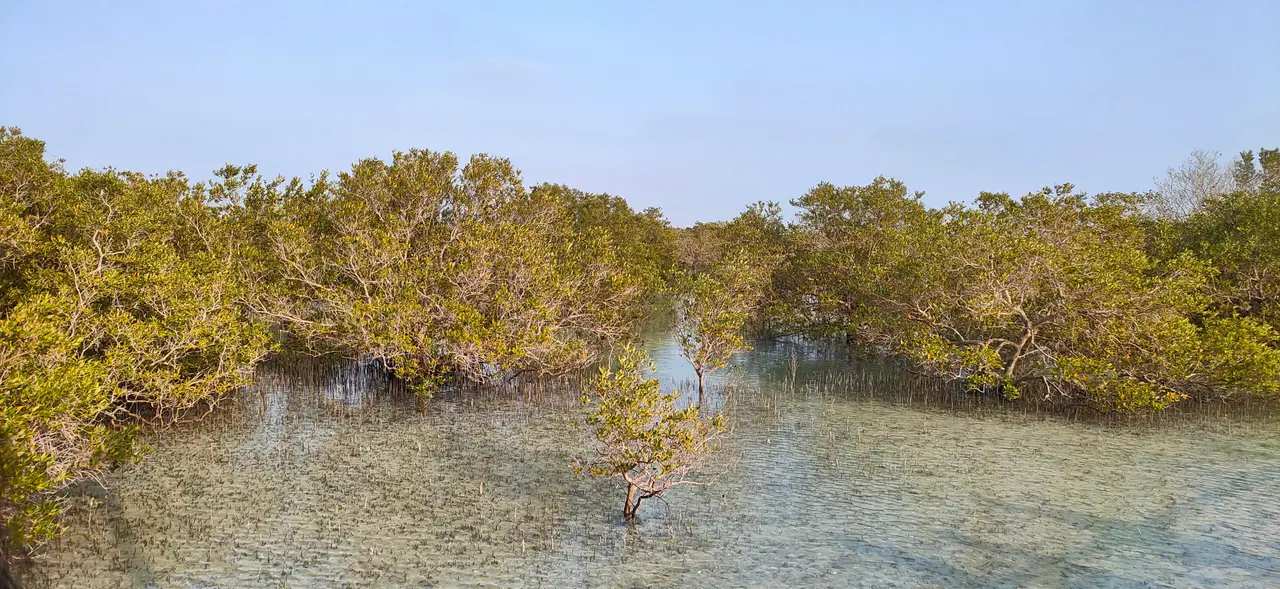
UAE Biodiversity Credits: Opportunities After COP28
COP28 in Dubai placed the UAE at the center of global climate finance. Here's how the country is leveraging its COP presidency to build a biodiversity credit market.
Read more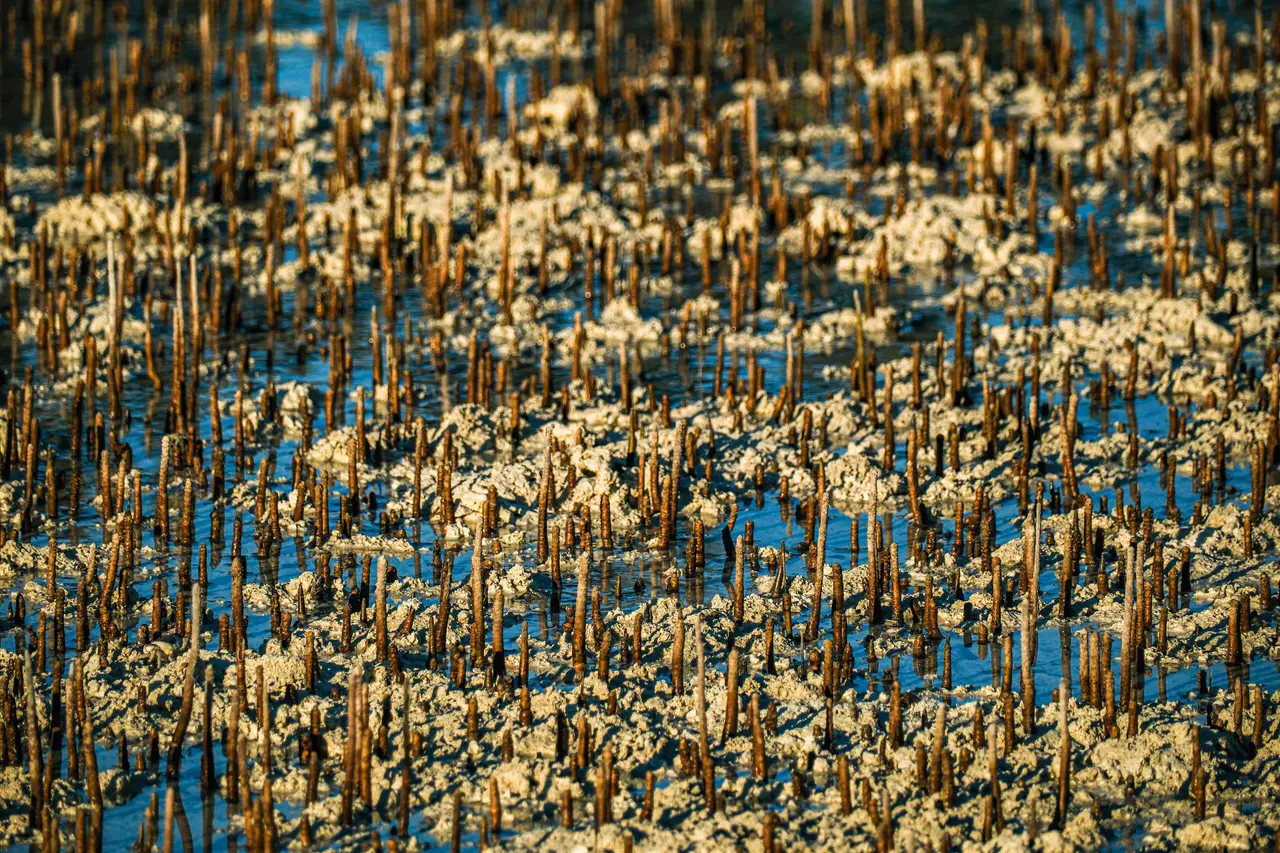
Abu Dhabi Mangroves: A Carbon and Biodiversity Powerhouse
Abu Dhabi's mangrove ecosystem is one of the Gulf region's most significant carbon sinks and biodiversity hotspots. Here's the science and investment case.
Read more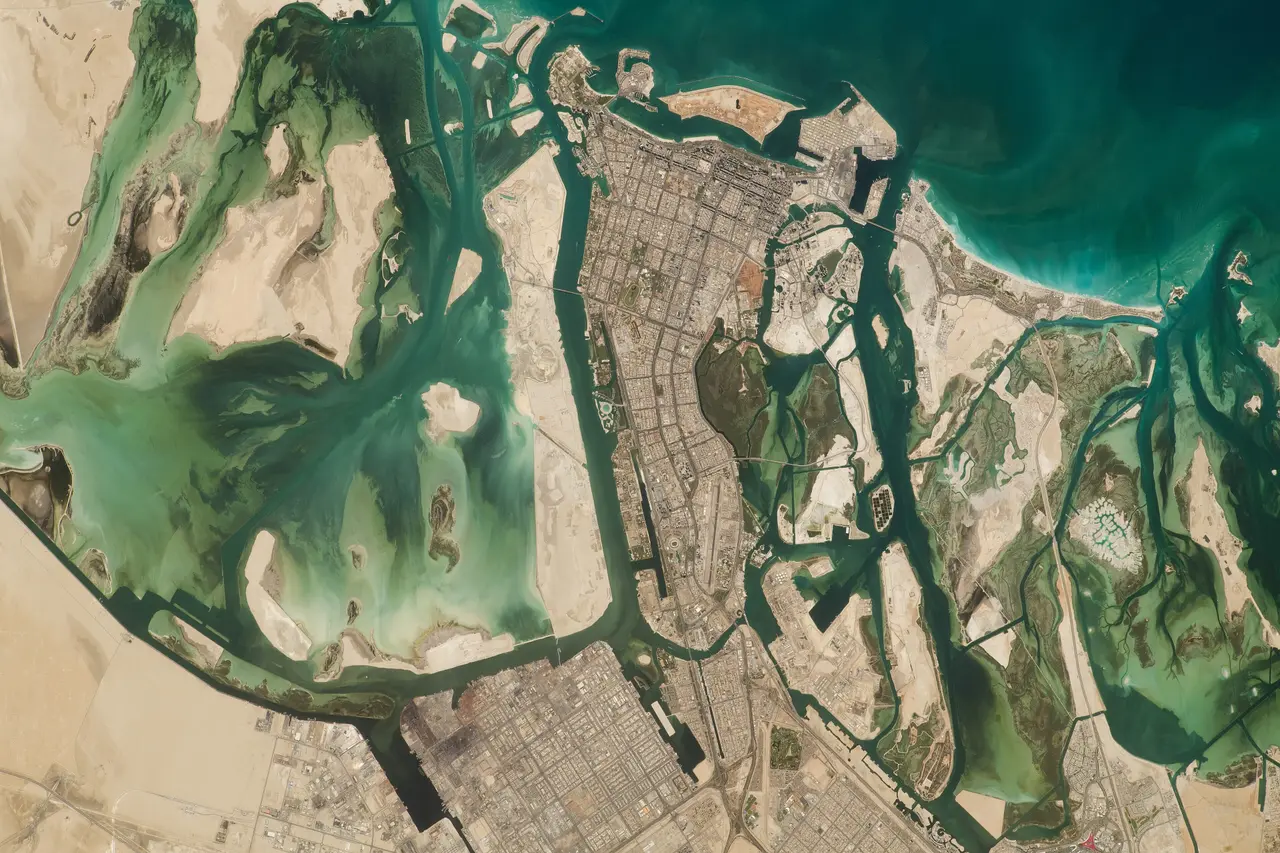
ADGM and Carbon Markets: The UAE's Financial Framework
The Abu Dhabi Global Market is building a world-class regulatory infrastructure for carbon credit trading. Here's how it works and why it matters for buyers.
Read more