ADGM and Carbon Markets: The UAE's Financial Framework
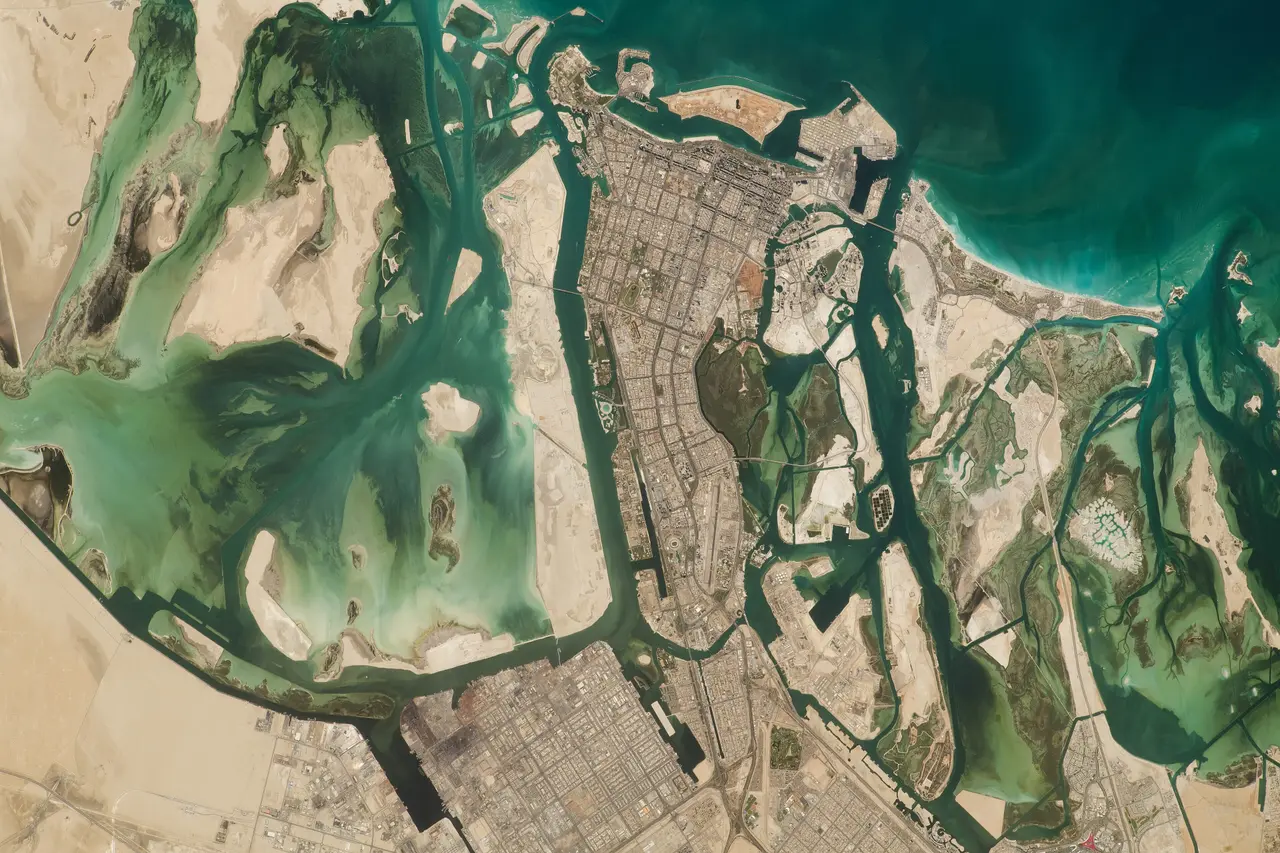
The Abu Dhabi Global Market (ADGM) has positioned itself as the Gulf's leading financial center for climate finance and voluntary carbon markets. Following the success of its cryptocurrency and fintech regulatory frameworks, ADGM has applied the same principle — clear rules, international standards alignment, and regulatory sandboxes for innovation — to the emerging carbon credit market.
AirCarbon Exchange (ACX), a trading venue that operates under the supervision of ADGM's Financial Services Regulatory Authority (FSRA), provides a regulated platform for buying and selling verified carbon credits. Unlike Over-The-Counter (OTC) transactions that dominate most voluntary markets, ACX offers price transparency, standardized contract terms, and counterparty risk protection — addressing key concerns that have historically limited institutional participation in voluntary carbon markets.
The regulatory framework for carbon credits at ADGM is aligned with international standards from Verra, Gold Standard, and the emerging Integrity Council for the Voluntary Carbon Market (ICVCM) Core Carbon Principles. This alignment gives buyers confidence that ADGM-traded credits meet the highest quality thresholds.
For corporate buyers seeking to achieve net-zero commitments with UAE nexus, ADGM offers particular advantages: regulatory certainty, proximity to Gulf-region project supply, and alignment with the UAE's national Net Zero 2050 strategy. Buyers should check each institution's own published announcements before assuming that its carbon credit sourcing runs through ADGM-regulated channels.
Who Regulates What
It helps to separate the three layers involved. ADGM is the jurisdiction: an international financial centre with its own common-law framework. The FSRA is the regulator that supervises firms and venues operating inside it. The exchange is the venue where trades are matched and settled. A credit traded on a venue supervised in this way has passed through a regulated trading process, but the regulator is not certifying the underlying project. That job belongs to the carbon standard and its independent verifiers, which is why a buyer should always follow a credit back to the registry and the project documents.
The same logic applies to nature-based credits from the UAE coast. A mangrove or seagrass credit listed on any venue still needs a named project, a documented baseline and a monitoring record. The venue can make the price and the transfer more transparent; it cannot make a weak project strong.
Exchange Trading and Over-the-Counter Deals
An exchange trade and an over-the-counter (OTC) deal can end with the same credit transferred to the same retirement record, but they differ in how the price is set and how the trade is protected. An OTC deal is negotiated bilaterally, so terms and prices can vary widely between buyer and seller, and the buyer relies heavily on the contract and the seller's standing. A venue publishes a common framework, standard contract terms and settlement rules, which makes prices easier to compare and reduces counterparty risk. Neither route removes the need to check the credit itself. A buyer using a regulated venue still has to confirm the project, the vintage and the retirement record.
What Buyers Should Check on a Regulated Venue
A regulated exchange improves transparency, but it does not replace project-level diligence. Before buying credits through any venue, buyers should confirm the following:
- Registry and serial numbers: each credit should be traceable to a named registry such as Verra or Gold Standard, and retirement should be recorded there.
- Project type and location: nature-based credits from UAE mangroves, for example, carry different risks from industrial or energy credits.
- Integrity labels: check whether the credits or the methodology have been assessed against the ICVCM Core Carbon Principles.
- Claims you intend to make: how credits are described publicly should match the buyer's net-zero plan and the relevant claims guidance.
Frequently Asked Questions
What is ADGM? The Abu Dhabi Global Market is an international financial centre on Al Maryah Island in Abu Dhabi, with its own common-law based regulatory framework.
Does trading on a regulated exchange guarantee credit quality? No. A venue provides market structure, pricing transparency and settlement rules. Quality still depends on the underlying project, methodology and verification.
Can biodiversity credits be traded in the same way? Biodiversity credit markets are earlier in development and use different measurement approaches, which is why convergence with carbon markets is closely watched.
Related: Biodiversity Credits and Carbon Credits: How the UAE Is Bridging the Gap | Abu Dhabi Mangroves: A Carbon and Biodiversity Powerhouse