UAE Coral Reefs: Two Seas, Heat-Tolerant Corals and What Reef Restoration Means for Biodiversity Credits
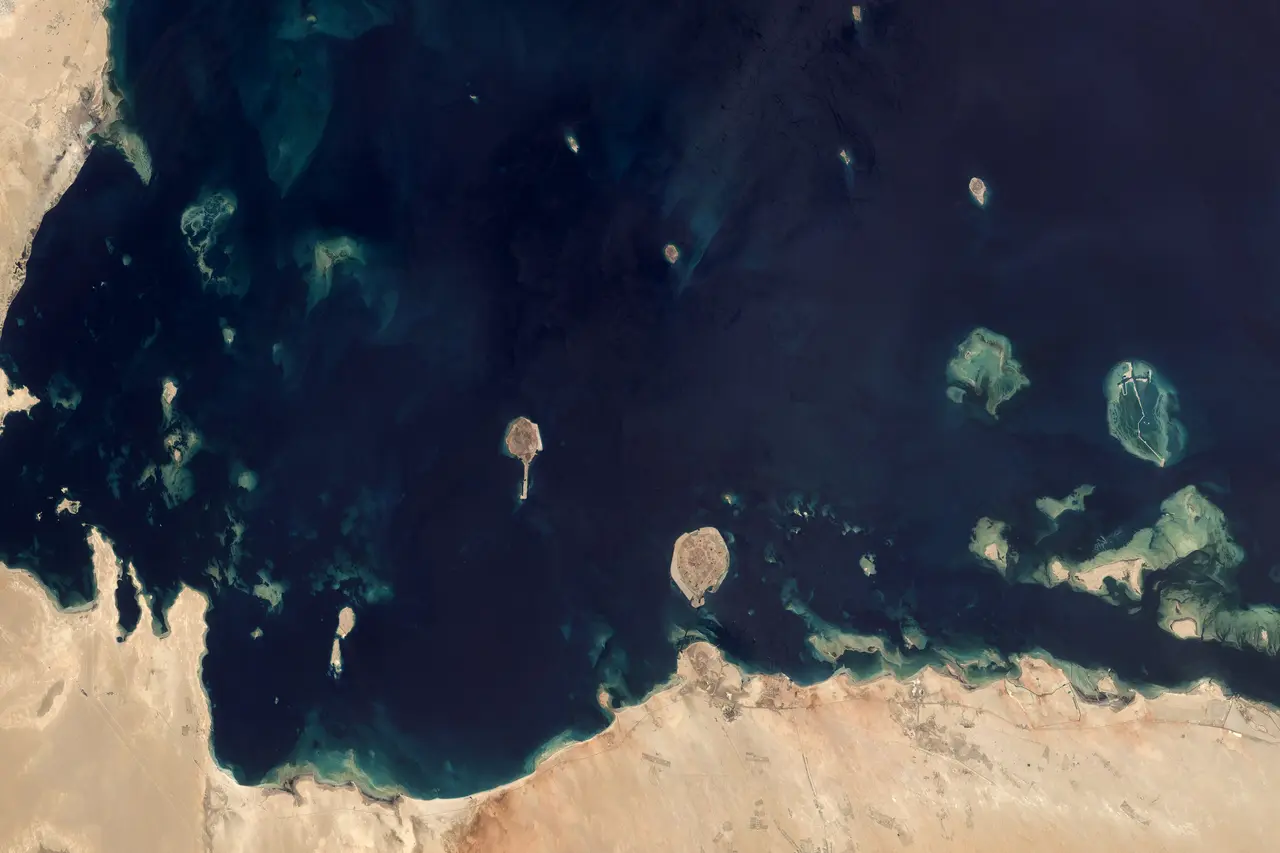
The UAE is usually associated with sand, skyscrapers and the Arabian Gulf shoreline, but its coast also holds coral reefs. Reefs grow along both sides of the country: on the Arabian Gulf coast, where the water is warm, shallow and saline, and on the Gulf of Oman coast facing the Indian Ocean, where the water is generally cooler and clearer. Together they form an important hard-bottom habitat in the country's marine environment.
What a Reef Is
A coral reef is built by stony corals over long periods. Each coral animal secretes a limestone skeleton, and over generations these skeletons build up into a structure that other animals can live in. Most reef-building corals also host single-celled algae, called zooxanthellae, inside their tissues. The algae use sunlight to produce food for the coral, and in return they receive shelter and the nutrients they need.
The reef structure gives shelter to fish, crustaceans, sponges, sea stars and many smaller animals. Some species feed on the reef, others visit it to find food or to breed. A reef is therefore a habitat as well as a living organism, and its value depends on how much of that structure and life remains.
Corals of the Arabian Gulf
Corals in the Arabian Gulf live in conditions that many reefs elsewhere would not tolerate. Summer water temperatures are high, salinity can be above that of the open ocean, and parts of the coast receive sediment from the land. Gulf corals have adapted to these conditions over a long period, which is one reason they attract research interest. That adaptation has limits. Heat stress can still cause bleaching, when corals expel their algae and turn pale, and prolonged bleaching can kill them.
Reefs of the Gulf of Oman
Reefs on the east coast grow in water that is generally cooler and less saline than the Arabian Gulf, along a coastline of rocky headlands, bays and sheltered inlets. This variety of settings supports a wide range of reef and reef-associated species. Because the two coasts differ in temperature and water movement, the reefs on each side respond differently to the same warming trend, and a single approach to managing them rarely fits both.
What Reefs Provide
- Shelter and food for fish: reefs serve as nursery and feeding grounds for many species that are also caught by fishers.
- Protection of the shore: a reef breaks wave energy before it reaches the beach, which helps reduce erosion.
- Diving and recreation: snorkelling and diving depend on healthy reefs, and dive operators rely on their condition.
- Research value: heat-tolerant corals help scientists understand how reefs may cope with a warming sea.
Pressures on UAE Reefs
Reefs in the UAE face warming seas, coastal development, dredging, pollution from land and shipping, anchor damage and overfishing. Heat stress is the most widely discussed threat, because a bleaching event can affect a large area at once and reefs cannot move away from warm water. Dredging and land reclamation can smother corals with sediment, while anchors and boat traffic break fragile branching corals.
Restoration Is Still Early
Coral restoration usually means growing corals in nurseries and attaching fragments to damaged reef, or placing artificial structures that let new coral settle. These methods are being tested at several sites along the emirates' coasts, including artificial reef projects. Results are encouraging at some sites and inconclusive at others. The survival of transplanted coral depends on water quality, temperature and whether the cause of the damage has been removed. Restoration where the stress is still present rarely lasts.
Coral Reefs and Biodiversity Credits
Reef restoration is one of the areas where biodiversity credit methods are least mature. A carbon credit counts a measured quantity of CO₂. A reef credit would need to measure something harder: living coral cover, the survival of transplanted fragments, fish use of the site and whether the reef would have declined without the project. Each of these needs a baseline taken before work begins, a monitoring plan that runs for years and an independent check.
Buyers should be cautious of any claim that a reef project has restored a reef after a short period. Coral grows slowly, and a site can look healthy one year and bleach the next. The useful question is not how many fragments were planted, but how many were still alive after several years and whether the reef is growing back under natural conditions.
Frequently Asked Questions
Does the UAE have coral reefs? Yes. Reefs grow along the Arabian Gulf coast and along the Gulf of Oman coast on the east of the country.
Why do corals bleach? When water stays too warm for too long, corals expel the algae that feed them. Without those algae they lose colour and a major source of energy. Prolonged bleaching can lead to death.
Can coral reefs earn biodiversity credits? In principle, yes, but there is no settled standard for reef credits yet. A credible project needs a documented baseline, long-term monitoring and independent verification.
What should divers and visitors do? Avoid touching or standing on corals, use mooring buoys where they are provided, and report damage or stranded animals to the relevant environmental authority.
Related: Sea Turtles and Seagrass: The UAE's Coastal Wildlife and Why It Matters for Biodiversity Credits | Abu Dhabi Mangroves: A Carbon and Biodiversity Powerhouse