Ras Al Khor Wildlife Sanctuary: Flamingos, Mudflats and a Wetland in the Middle of Dubai
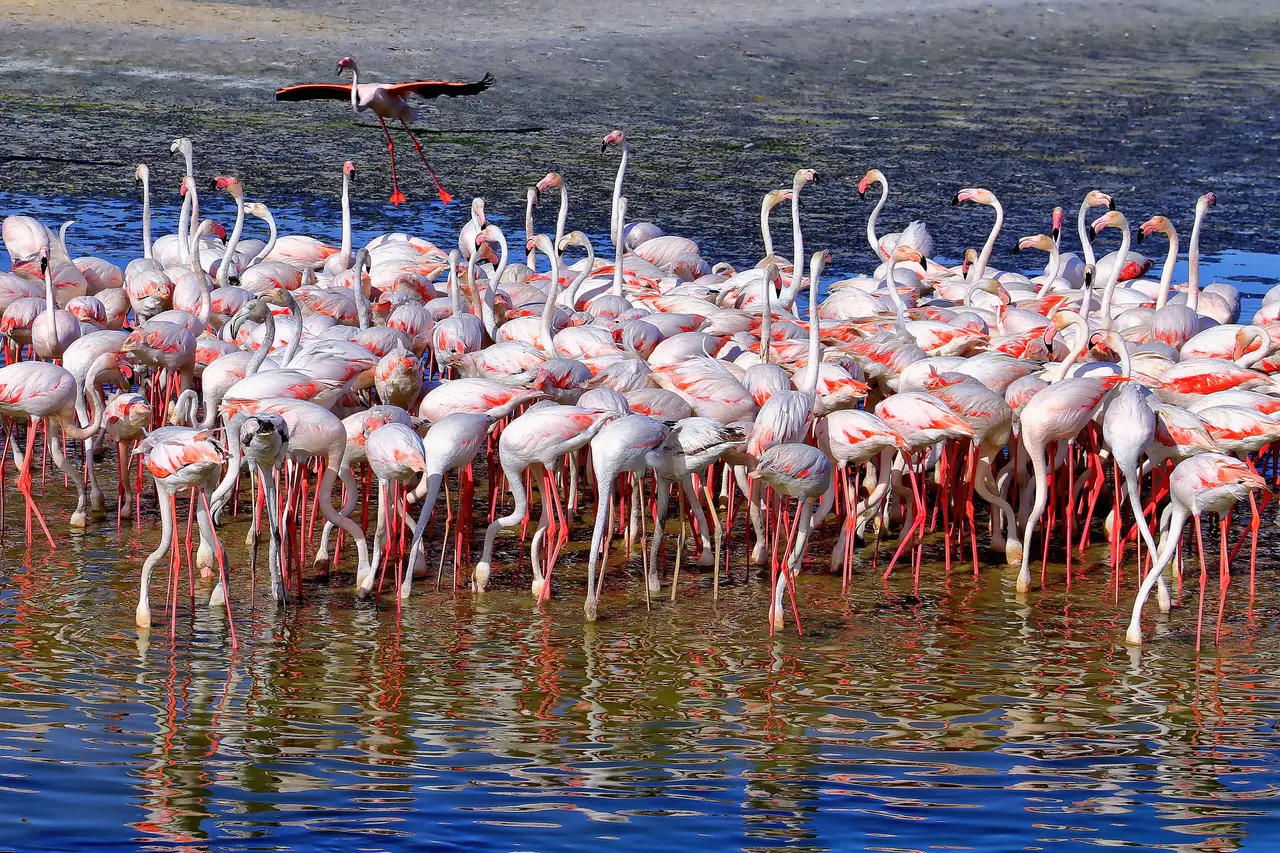
Few cities have a wildlife sanctuary within sight of their tallest towers. Ras Al Khor, on the edge of Dubai Creek, is a tidal wetland where flocks of flamingos wade through shallow water while the skyline stands behind them. It is one of the clearest examples in the UAE of how a protected habitat can survive beside a fast-growing city.
What Ras Al Khor Is
Ras Al Khor Wildlife Sanctuary protects the upper end of Dubai Creek, a mix of tidal mudflats, shallow lagoons, salt flats and patches of mangrove. It is recognised as a wetland of international importance under the Ramsar Convention, the global treaty for wetland conservation. Public viewing hides at the edge of the sanctuary let visitors watch the birds without entering the habitat itself.
The value of a wetland like this is not only the birds that are easy to see. Tidal mud is full of small invertebrates, and those animals are the food supply for a long chain of wading birds, fish and other wildlife.
Why Flamingos Come Here
Flamingos feed by filtering small organisms from shallow, muddy water with their curved bills. They need calm, shallow areas with a steady food supply, and a tidal lagoon provides exactly that. Greater flamingos are the species most visitors see at Ras Al Khor, and they are most easily watched in the cooler months, when numbers of wintering birds in the Gulf tend to rise.
Flamingos are also a useful reminder that a single species depends on a whole habitat. If the mudflats were drained, filled or polluted, the birds would not simply move a few metres away. They would lose the feeding ground that the rest of the wetland supports.
A Stopover on a Migration Route
The Gulf lies on a major migration corridor between Europe, Central Asia and Africa. Many shorebirds and waterbirds that breed far to the north pass through or spend the winter in UAE wetlands. For these birds, places like Ras Al Khor are rest stops. A bird that cannot find food and safe shelter on the way may not complete its journey.
That is why a small protected wetland can matter far beyond its own boundary. Its condition affects birds that will be counted in other countries, months later.
Pressures on Urban Wetlands
A wetland inside a city faces pressures that remote sites do not:
- Development at the edge: construction, roads and lighting beside the habitat can disturb birds and change how water moves through the site.
- Water quality: runoff and discharge from the surrounding area can carry pollutants into shallow water, where they affect the food chain.
- Litter: plastic and other waste collects in tidal areas and mangrove roots.
- Disturbance: noise, drones and people leaving the viewing areas can push birds away from their feeding grounds.
Why Wetlands Matter for Biodiversity Credits
Coastal wetlands are among the habitats most often discussed when people talk about nature credits, because they combine a clear physical area with species that can be counted over time. Mangroves, tidal flats and lagoons also store carbon in their sediment, which is why they appear in both carbon and biodiversity discussions.
A protected area like Ras Al Khor is not a credit project, and it should not be described as one. But it shows what good evidence looks like. Bird counts repeated over many years, a defined boundary and a clear management body make it possible to say whether a habitat is stable, improving or declining. A credit that claims to protect or restore a wetland should offer the same kind of record: a baseline, regular monitoring and an independent check.
Buyers should also ask whether the same site is being claimed for more than one outcome, for example carbon and biodiversity at once, and how the two claims are kept separate.
Visiting Responsibly
Visitors can help by staying within the public viewing areas, keeping noise low, never feeding or approaching the birds and taking all litter away. Binoculars let you watch the birds closely without disturbing them. Anyone who finds an injured or stranded animal should report it to the relevant environmental authority rather than handle it.
Frequently Asked Questions
Can you see flamingos in Dubai? Yes. Flamingos are regularly seen at Ras Al Khor Wildlife Sanctuary, and the public viewing hides are the usual place to watch them.
What is a Ramsar site? A Ramsar site is a wetland designated as internationally important under the Ramsar Convention, a treaty for the conservation and wise use of wetlands.
Are flamingos in the UAE all year? Numbers change through the year. Many waterbirds are more numerous in the cooler months, when migrants arrive to winter in the Gulf.
Is Ras Al Khor a biodiversity credit project? No. It is a protected area. It is a useful example of the long-term monitoring and clear boundaries that credible nature projects need.
Related: Abu Dhabi Mangroves: A Carbon and Biodiversity Powerhouse | Sea Turtles and Seagrass: The UAE's Coastal Wildlife