UAE Confirms Article 6.4 Eligible Sectors: Mangroves, Solar, Blue Carbon All on the Table
The United Arab Emirates took a concrete step toward becoming an active participant in the Article 6.4 carbon mechanism in July 2026, publishing its Host Party Participation Requirements with the UNFCCC. The document formally lists the sectors the UAE will consider for projects under the UN-supervised international carbon market — and the list is broad.
What's Eligible
The UAE's Article 6.4 eligible sectors include:
- Renewable energy: utility-scale solar, distributed solar, wind, waste-to-energy, and other technologies
- Energy efficiency: industrial facilities, buildings, district cooling systems, transport, and public infrastructure
- Nature-based solutions and carbon removals: mangrove restoration, afforestation, ecosystem restoration, blue carbon initiatives, and "other eligible removals consistent with Article 6.4 methodologies and national policies"
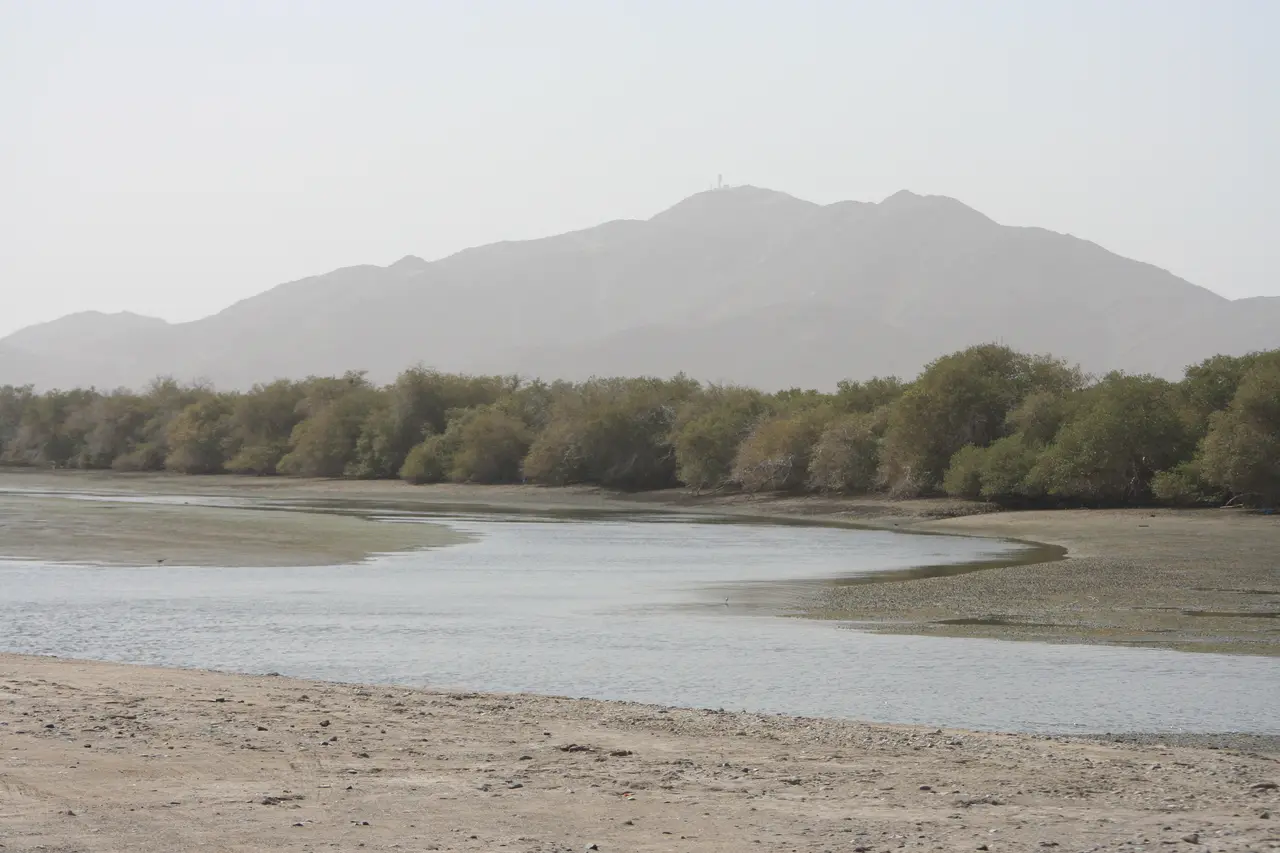
The explicit inclusion of mangrove restoration and blue carbon is significant. Abu Dhabi's mangrove ecosystem — including the Jubail Mangrove Park, one of the world's largest urban mangrove forests — is already generating both carbon and biodiversity co-benefits. The Host Party document formally positions these assets as eligible for international credit transfer, not just domestic accounting.
Buyer and Seller
Importantly, the UAE is positioning itself as both a buyer and a seller under Article 6.4. It has already signed a Memorandum of Understanding with Paraguay at COP28 (late 2023) and joined Japan's Joint Crediting Mechanism in April 2024 — two moves consistent with a country that intends to purchase internationally transferred mitigation outcomes from other jurisdictions while also exporting its own.
For UAE-based nature projects, the implications are significant: credits from Abu Dhabi's mangrove restoration corridors, and from blue carbon projects along the Gulf coastline, now have a formal international transfer pathway — not just a voluntary market label.
What Eligibility Does Not Settle
Being listed as an eligible sector is a starting point, not a finished credit. A project still needs a methodology that the relevant body has approved, a baseline showing what would have happened without the project, and a monitoring plan that produces evidence over time. For mitigation outcomes that are transferred internationally, the host country must also authorise the transfer and account for it, so that the same tonne is not counted both in the UAE and by the buyer's country. The UAE list shows which sectors the country is willing to consider. It does not show that any particular mangrove or blue carbon project will be approved, or how quickly.
For a buyer, the practical question is therefore not whether mangroves are eligible in principle, but whether a specific project has an approved method, a documented baseline, a named host authorisation route and a registry record that will show when a credit has been transferred or retired.
ADGM as the Regulatory Anchor
The Abu Dhabi Global Market (ADGM) regulatory sandbox for nature-based solutions and carbon markets provides the financial services infrastructure through which Article 6.4 credits can be structured, traded, and custodied under a credible legal framework. The combination of UAE's UNFCCC Host Party document and ADGM's regulatory architecture makes the Emirates one of the few countries in the world that has simultaneously built both the upstream (project eligibility) and downstream (financial services) infrastructure for Article 6.
Frequently Asked Questions
Does listing a sector make a project eligible for credits? No. The list shows which sectors the UAE is willing to consider. A project still needs an approved methodology, a documented baseline, a monitoring plan and a host authorisation route before it can produce transferable credits.
Are mangroves and blue carbon explicitly included? Yes. The UAE's Article 6.4 list names mangrove restoration and blue carbon initiatives under nature-based solutions and carbon removals.
Why does the UAE's role as a buyer and seller matter? It means Emirati projects could sell internationally transferred mitigation outcomes, not only sell into the voluntary market. The UAE's COP28 memorandum with Paraguay and its entry into Japan's Joint Crediting Mechanism in April 2024 are cited in this article as moves consistent with that dual role.
What should a buyer check before relying on a UAE mangrove credit? Confirm that the specific project has an approved method, a documented baseline, a named host authorisation route, and a registry record that will show when the credit is transferred or retired. Eligibility of the sector does not answer any of these questions.
Related: Biodiversity Credits and Carbon Credits: How the UAE Is Bridging the Gap | Abu Dhabi Mangroves: A Carbon and Biodiversity Powerhouse