UAE Biodiversity Credits: Opportunities After COP28
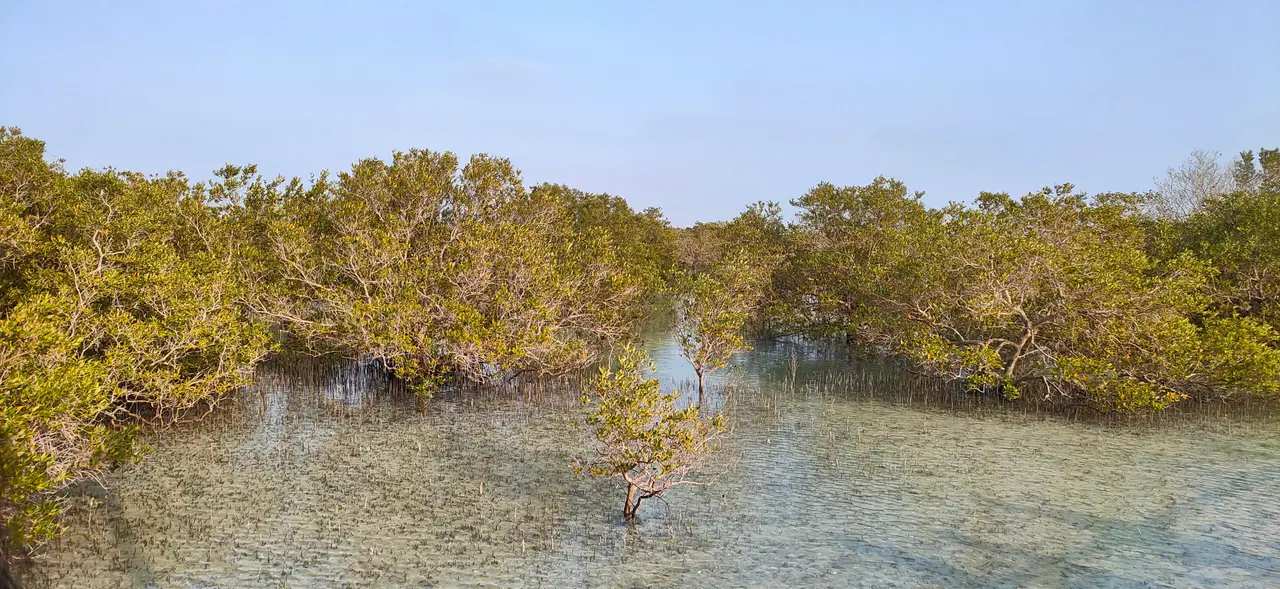
The UAE's hosting of COP28 in Dubai in 2023 was more than a diplomatic achievement — it positioned the country as a serious player in international climate finance. The UAE Presidency's focus on the Global Stocktake, loss and damage funding, and the UAE Consensus on tripling renewable energy capacity has been matched by domestic policy action, including the expansion of marine protected areas and mangrove restoration programs.
The Abu Dhabi Global Market (ADGM) has taken a leading role in developing the regulatory infrastructure for voluntary carbon and biodiversity credit markets. AirCarbon Exchange, a venue supervised by ADGM's Financial Services Regulatory Authority, provides a regulated platform for carbon credit trading in the region.
UAE's biodiversity credit market is nascent but growing rapidly. The country's extensive mangrove restoration program — targeting 100 million mangroves by 2030 — is a key source of both carbon and biodiversity credits. Abu Dhabi's mangroves sequester 0.6-1.7 tonnes of carbon per hectare per year and provide habitat for rare marine species.
For international buyers seeking Middle Eastern carbon and biodiversity credits, the UAE offers a national policy framework, a regulated trading venue and alignment with international standards. Those are conditions for a market, not proof of one. How many credits reach buyers from UAE mangrove and coral reef projects will depend on individual projects that have approved methods, documented baselines and registry records, and that pace is still unknown.
What a Biodiversity Credit Is, and Is Not
A carbon credit represents a verified reduction or removal of one tonne of CO₂ equivalent. A biodiversity credit has no equivalent single unit. The term is generally used for a verified outcome for habitat or species, measured against a baseline, such as an area of restored mangrove or an improvement in habitat condition. Because there is no single global standard yet, the same label can mean quite different things from one scheme to the next. Buyers should read the methodology, not just the name of the credit.
The global frame is the Kunming-Montreal Global Biodiversity Framework, agreed at COP15 in December 2022, which set a target of protecting 30% of land and sea by 2030. The Taskforce on Nature-related Financial Disclosures (TNFD) gives companies a structure for reporting their nature dependencies and impacts. Neither framework creates a credit by itself, but both shape the demand that biodiversity markets are starting to serve.
Avoiding Double Counting
Coastal projects can generate carbon and biodiversity outcomes from the same land. A buyer who claims both must make sure the same outcome is not sold or counted twice. The practical test is simple: each claim should point to a separate, documented measurement, and the registry record should show which outcome was retired or transferred. Where a credit is authorised for use under Article 6 of the Paris Agreement, a corresponding adjustment may apply, which changes who can count it.
A simple way to check a UAE claim is to ask three questions in order: what was measured, where it was measured, and who verified it. A mangrove survey that records canopy cover and sediment carbon in one named area answers all three. A general statement that a coastline is "protected" answers none of them. Readers who keep this order in mind will find it easier to tell a documented outcome from a headline.
Checking the Claim Before the Credit
Enthusiasm for UAE projects should be matched by checks a buyer can repeat. Before paying for a biodiversity outcome, ask who measured the habitat, when, and against what starting point. A mangrove stand measured once after planting shows that trees exist, not that the habitat has improved. A credible claim compares measurements taken before and after the intervention, in the same places and in the same season, and shows in the registry which credits have been retired so that no outcome is sold twice.
Coastal projects also face pressures the developer does not control, such as dredging, nearby outfalls and shoreline lighting. A claim that leaves these out can be accurate in its own data and still be incomplete for the buyer.
Frequently Asked Questions
Is a biodiversity credit the same as a carbon credit? No. A carbon credit is measured in tonnes of CO₂ equivalent. A biodiversity credit measures habitat or species outcomes, and its unit depends on the scheme.
Can a UAE project sell both carbon and biodiversity credits? It can, if the methodology allows it and each outcome is measured and sold once. Buyers should ask how the two claims are separated.
What should a buyer check first? The methodology, the baseline survey, the monitoring record, and the registry entry showing whether the credit has been retired.