Nature Credit Due Diligence in the UAE: A Buyer's Checklist for Mangrove and Coastal Projects
Before buying a mangrove or coastal nature credit from the UAE, institutional buyers need to test its carbon, biodiversity and accounting claims. This checklist sets out what to ask for, what to verify in the registry, and where the common gaps lie.
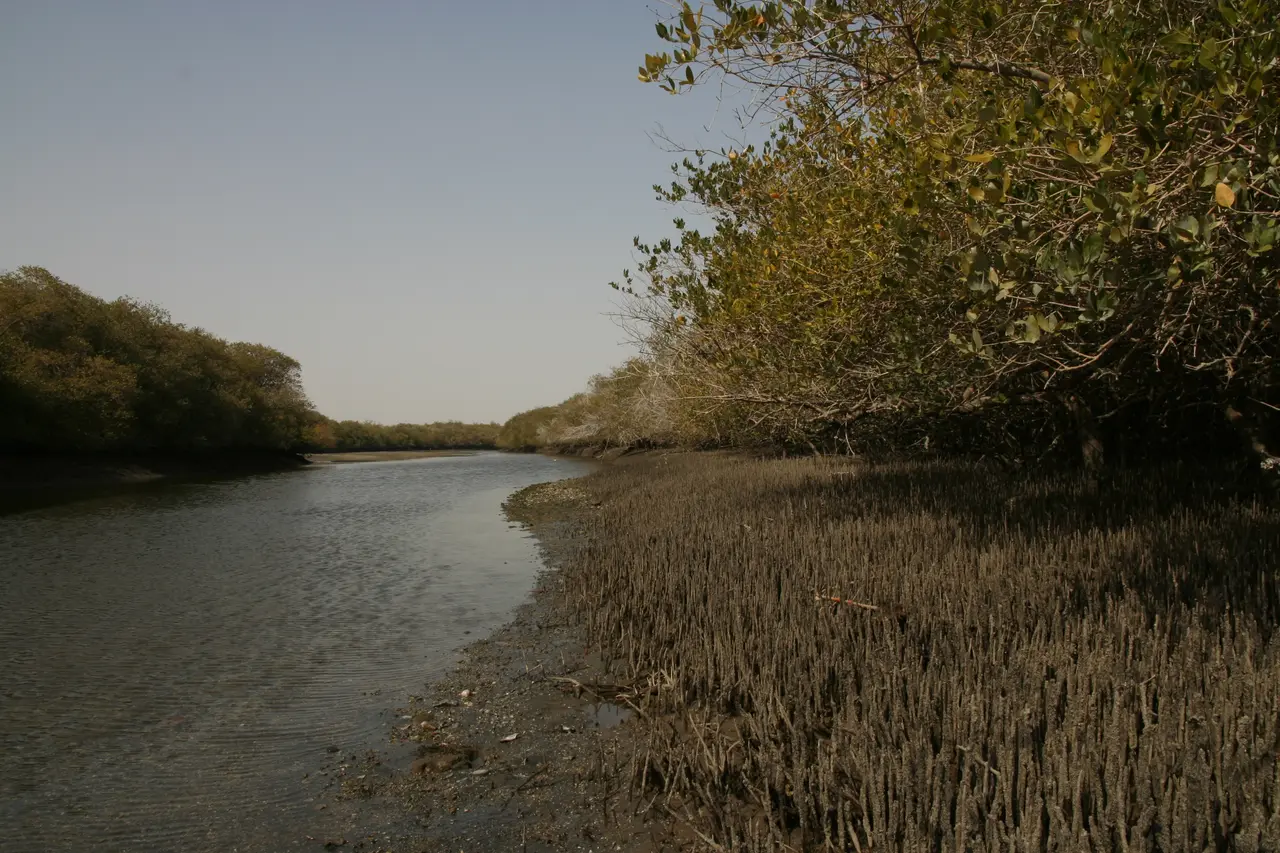
Demand for nature-based credits from the UAE is growing faster than the public information needed to judge them. A mangrove or seagrass credit can carry three separate claims, about carbon, biodiversity and accounting, and each one needs its own evidence. This checklist is a practical starting point for finance, sustainability and procurement teams. It is not legal or investment advice.
Start With the Claim, Not the Credit
Many weak purchases begin with a headline figure, such as tonnes of carbon per hectare, and never ask what the figure measures. Write down exactly what the credit is meant to support: a voluntary carbon offset, a biodiversity outcome, a disclosure under a reporting standard, or a purchase commitment linked to a target. A credit that suits a voluntary offset claim may not suit a disclosure that requires a specific boundary or vintage. Clarity about the claim makes every later check easier.
Carbon: Methodology, Baseline and Permanence
Ask which methodology the project uses and whether it fits the ecosystem. Verra's VM0033 covers tidal wetland and seagrass restoration, and other standards cover conservation or avoided-loss projects in coastal habitats. A methodology designed for planted mangroves may fit poorly on an existing stand that is simply protected. Then examine the baseline: what would have happened without the project? If the baseline assumes rapid loss that was never likely, the credits may overstate the benefit. Finally, check permanence. Coastal wetlands are exposed to sea-level change, development and dredging, so a credible project should explain how it manages reversal risk and how any buffer is held.
Biodiversity: Measured Versus Expected
Biodiversity is the easiest part of a credit to overstate. A project may describe habitat for birds, fish or turtles, but that does not mean an outcome was measured. Ask for baseline surveys, the survey method and season, and the list of species that were recorded rather than assumed. Separate direct monitoring from modelled or literature-based estimates in any internal paper. Where a credit is marketed on co-benefits, check whether a recognised standard for community and biodiversity outcomes was applied, and whether the claims are limited to what was monitored.
Accounting: Once, and Only Once
A credit that is counted twice is worth nothing to the buyer. Confirm that the issuing registry shows serial numbers, issuance status and any retirement or transfer record. Where the credit might be used under Article 6 of the Paris Agreement, find out whether a corresponding adjustment applies. Without one, a host country may still count the same reduction, and the buyer's claim can be challenged. Ask the seller to warrant in writing that the credit has not been sold or claimed elsewhere.
Counterparties and Documentation
Look at who stands behind the project: the landowner or government body with rights to the site, the developer, the verifier and any intermediary. Check that the legal title or long-term agreement covers the project's lifetime, since carbon accounting usually assumes a commitment of several decades. Request the full project description, monitoring reports, verification statements and any public comments received during validation. A seller that cannot supply these documents early is a warning sign, not a negotiating tactic.
Frequently Asked Questions
Do I need an independent verifier's opinion? For any credit used in a public claim, yes. The verifier's statement is one of the few documents written by someone other than the seller, so it should be read in full rather than summarised.
Is UAE origin enough to justify a premium? Not on its own. Local origin can support demand, but a premium should be explained by verifiable carbon, measured biodiversity and clean accounting.
What should I do if the documents are incomplete? Pause the purchase. Incomplete documentation is a reason to delay, and a buyer who cannot explain a credit to an auditor should not buy it.
Is a registry listing enough on its own? No. A registry entry shows that a credit was issued and tracked. It does not show whether the methodology fits the habitat, whether the baseline is credible, or whether the biodiversity claims were measured. Treat the registry as one check among several.
Does a listing on a regulated platform such as the ADGM Carbon Trading Platform remove the need for checks? No. A regulated platform governs who may trade, through anti-money laundering and know-your-customer rules. It does not test the project itself. The methodology, baseline, biodiversity evidence and accounting still need to be checked by the buyer.