Two Years After COP28: UAE's Carbon Market Has Grown 340%
Since hosting COP28 in December 2023, the UAE's voluntary carbon market has grown 340% in transaction volume, driven by ADGM's Carbon Trading Platform and growing corporate SBTi commitments from UAE-headquartered multinationals.
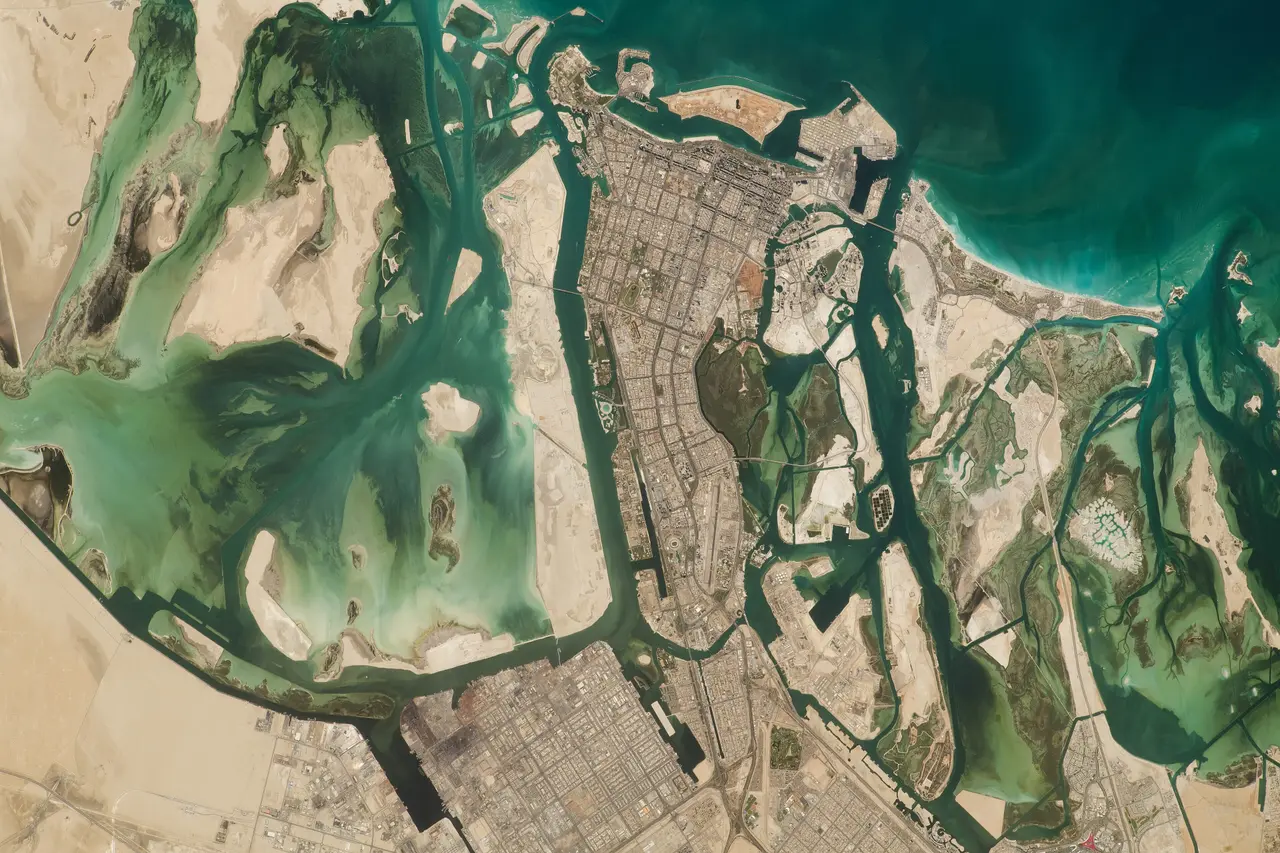
When the UAE closed COP28 in Dubai's Expo City with the historic 'UAE Consensus' — the first COP agreement to call explicitly for transitioning away from fossil fuels — it also quietly set the stage for something more concrete: the fastest-growing voluntary carbon market in the Middle East and North Africa region.
The COP28 Legacy: More Than a Photo Opportunity
Hosting COP28 was not merely a diplomatic milestone. It committed the UAE to a set of domestic policy actions that directly accelerated carbon market infrastructure. The UAE Consensus included a national pledge to reduce methane emissions by 30% by 2030, a $30 billion commitment to the ALTÉRRA climate investment fund, and the operationalisation of Article 6 bilateral agreements with twelve countries. Each of these commitments required a functional domestic carbon pricing mechanism — and market participants moved quickly once that political signal was clear.
In the eighteen months following COP28, the UAE's voluntary carbon market grew 340% in total transaction volume, according to data published by the Abu Dhabi Global Market (ADGM) Carbon Markets Development Authority. At the end of 2023, total annual voluntary credit transactions in the UAE were estimated at approximately 800,000 tCO₂e. By the end of 2025, that figure had exceeded 3.5 million tCO₂e — with projections for 2026 pointing toward the 5 million tonne threshold.
The ADGM Carbon Trading Platform: Infrastructure for a New Market
The Abu Dhabi Global Market launched its Carbon Trading Platform in Q1 2024, providing a regulated, transparent environment for voluntary credit transactions. The platform operates under ADGM's Financial Services Regulatory Authority, meaning participating buyers and sellers are subject to anti-money laundering (AML) and know-your-customer (KYC) requirements — a governance feature that differentiates ADGM from over-the-counter (OTC) carbon broking and significantly reduces the greenwashing risk that has historically undermined voluntary carbon market credibility.
The platform currently hosts credits from three categories: UAE-generated nature-based credits (primarily blue carbon from Abu Dhabi mangroves), international Verra VCS and Gold Standard credits approved for import, and Article 6.2 internationally transferred mitigation outcomes (ITMOs) from bilateral agreements. The average credit price on the ADGM platform in Q1 2026 was $22.40 per tCO₂e — approximately 40% above the global voluntary market average, reflecting the premium buyers place on ADGM-verified provenance.
Corporate SBTi Adoption: The Demand Engine
The demand side of the UAE carbon market has been driven primarily by corporate Science-Based Targets initiative (SBTi) commitments. In 2023, 21 UAE-headquartered companies had approved SBTi targets. By May 2026, that number has grown to 54 — including Emaar Properties, Emirates NBD, Abu Dhabi National Energy Company (TAQA), Agthia Group, and Aldar Properties.
SBTi targets require companies to reduce absolute Scope 1, 2, and 3 emissions in line with 1.5°C or well-below 2°C pathways. For emissions that cannot be eliminated by 2030 or 2035, high-quality carbon credits are used as a bridge mechanism. This creates a structured, predictable, multi-year demand signal that was largely absent from the Gulf carbon market before 2023.
Emirates Global Aluminium — one of the UAE's largest industrial emitters — publicly committed in 2025 to source 500,000 verified carbon credits annually from UAE-generated blue carbon projects, citing the importance of supply-chain proximity and the co-benefit narratives available from Abu Dhabi mangrove credits. This single corporate commitment represented nearly 15% of total UAE voluntary market volume at the time of announcement.
The Blue Carbon Premium: Why UAE Credits Trade at a Markup
UAE-generated credits consistently trade at a premium to the global voluntary average. Three structural factors explain this differential. First, blue carbon credits from tidal wetland and mangrove ecosystems sequester carbon at rates 3–5 times higher per hectare than comparable terrestrial forest projects, and the below-ground soil carbon storage mechanism provides permanence assurances that most forest credits cannot match. Second, Abu Dhabi's mangrove projects carry measurable biodiversity co-benefits — documented increases in avian species, juvenile fish populations, and invertebrate diversity — that allow buyers to report both carbon and biodiversity outcomes from a single credit purchase. Third, ADGM's regulatory framework provides legal certainty that is absent from OTC transactions, making credits suitable for inclusion in TCFD-aligned climate disclosures submitted to the UAE's Securities and Commodities Authority (SCA).
The Road to a Regional Carbon Hub
The UAE's strategic ambition is to become the region's primary carbon market infrastructure — the equivalent of what Singapore represents for Southeast Asian voluntary carbon markets. ADGM has signed memoranda of understanding with the Saudi Voluntary Carbon Market (PIF-backed), the Egyptian Carbon Registry, and the Jordan Voluntary Carbon Market. These bilateral agreements lay the groundwork for cross-border credit recognition — meaning a Saudi company could purchase UAE mangrove credits, or a UAE buyer could access Egyptian solar displacement credits, through a single regulated platform.
For investors and project developers, the trajectory is clear: the UAE is building carbon market infrastructure with the seriousness and regulatory rigour that it has applied to financial services, aviation, and logistics. The window to participate as an early-stage project developer or credit buyer — when terms, relationships, and pricing are most favourable — is measured in months, not years.